CSI

Author: joseph

  • Top Large Format Printing Trends of 2025: From Building Wraps to Event Signage

    Top Large Format Printing Trends of 2025: From Building Wraps to Event Signage

    2025 Large Format Printing Trends: Sustainable Wraps to Event Signage

    Large format printing trends 2025

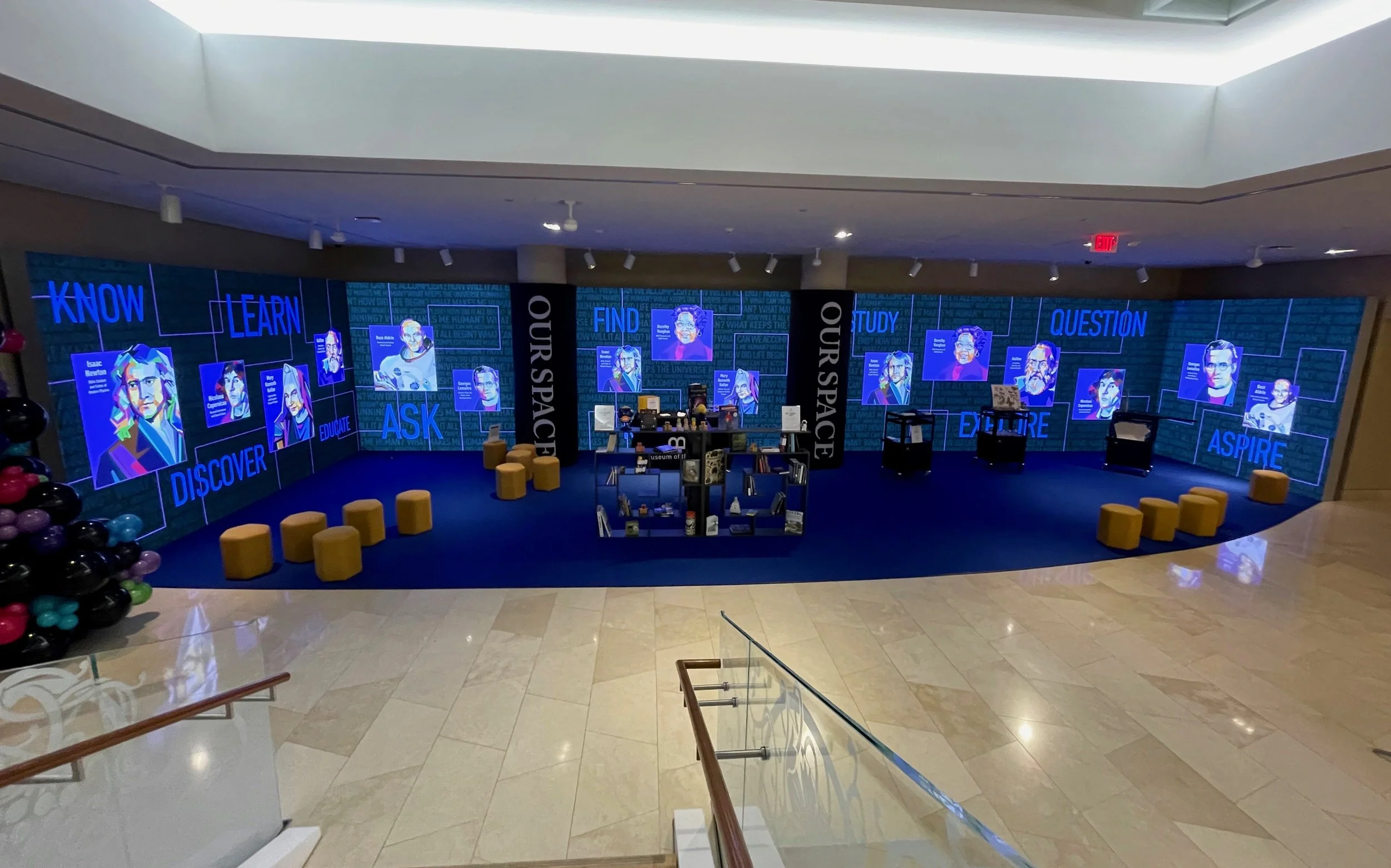
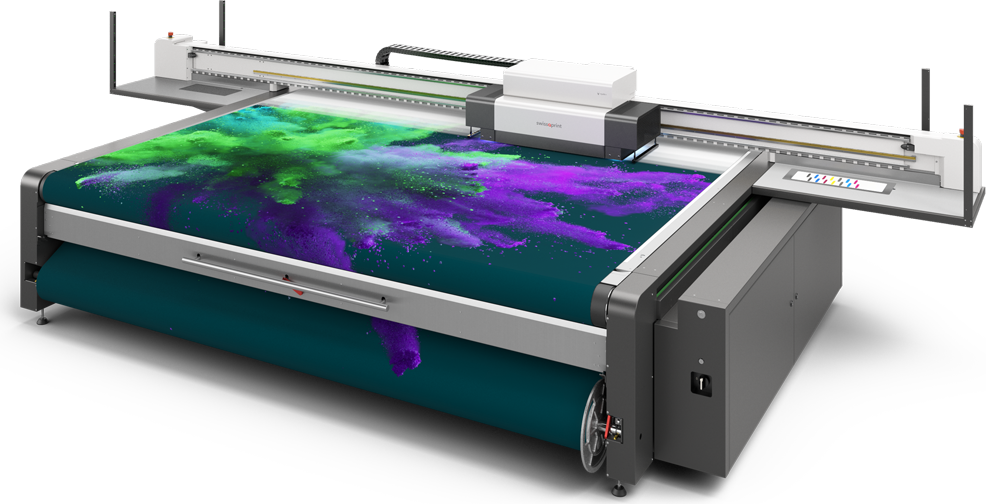
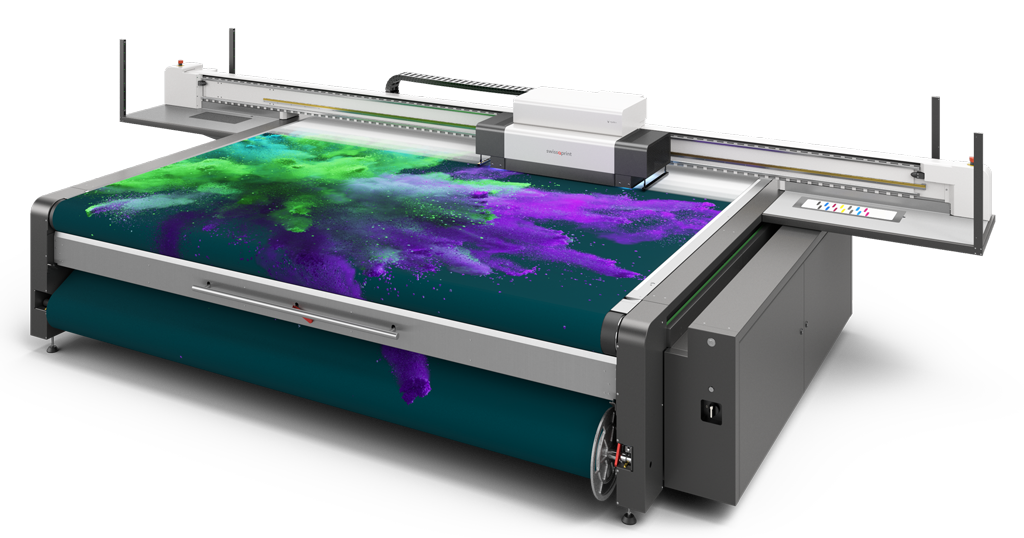
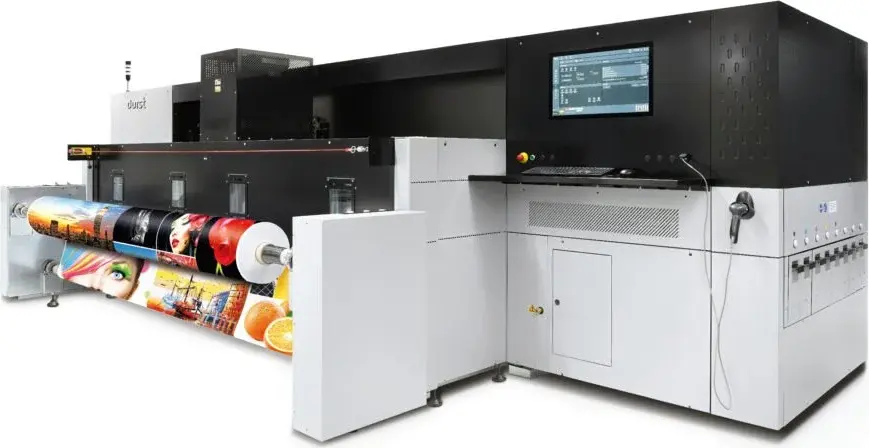
    In today’s highly visual marketplace, brands are under constant pressure to stand out—and there’s no better way to do that than with large format printing. As 2025 comes to a close, we’re seeing exciting innovations that are transforming how companies use building wraps printing, event signage printing, and more to engage customers. Companies like CSI Printing & Graphics are leading the charge with creative, impactful solutions that help businesses go bigger and bolder than ever before.

    Whether you're a marketing team, creative agency, or retail brand, these large format printing trends of 2025 will help you make a lasting impression.

    1. Sustainable Printing Is the New Standard

    In 2025, eco-friendly printing is more than just a trend—it's a business requirement. Consumers and organizations alike are prioritizing sustainability, which means printers are stepping up with greener materials and methods.

    What’s trending in sustainable printing:

    • Recyclable, biodegradable, or FSC-certified materials

    • Non-toxic, water-based inks

    • Energy-efficient printing technologies

    • Print-on-demand to reduce waste

    CSI’s sustainable solutions match durability with eco-responsibility.

    2. Building Wraps: Bold, Smart & Interactive

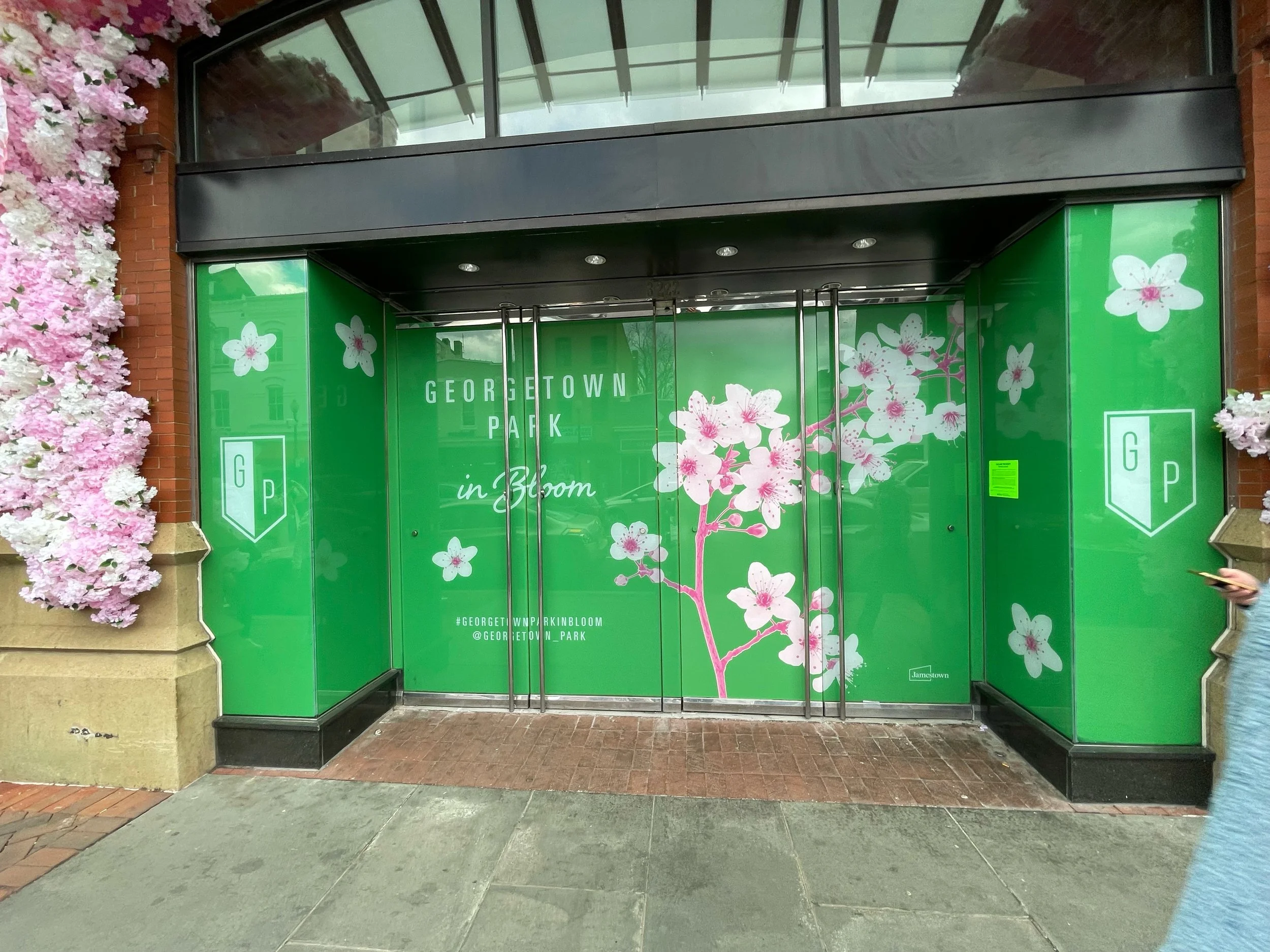
    One of the standout large format printing trends of 2025 is the evolution of building wrap printing. These massive displays are no longer just for ads—they're becoming immersive branding tools.

    Key trends in building wraps:

    • Integration of augmented reality (AR) for interactive experiences

    • Use of 3D textures to add depth and realism

    • Weather-resistant materials for longer-lasting displays

    • Story-driven visuals that reflect a brand’s identity

    From retail storefronts to high-rise takeovers, building wraps turn heads and boost brand visibility like never before.

    3. Event Signage Printing Is All About Experience

    Gone are the days of flat, forgettable signage. In 2025, event signage printing creates an immersive brand environment that enhances the attendee experience.

    Trends shaping event signage today:

    • Fabric backdrops and hanging banners for a lightweight setup

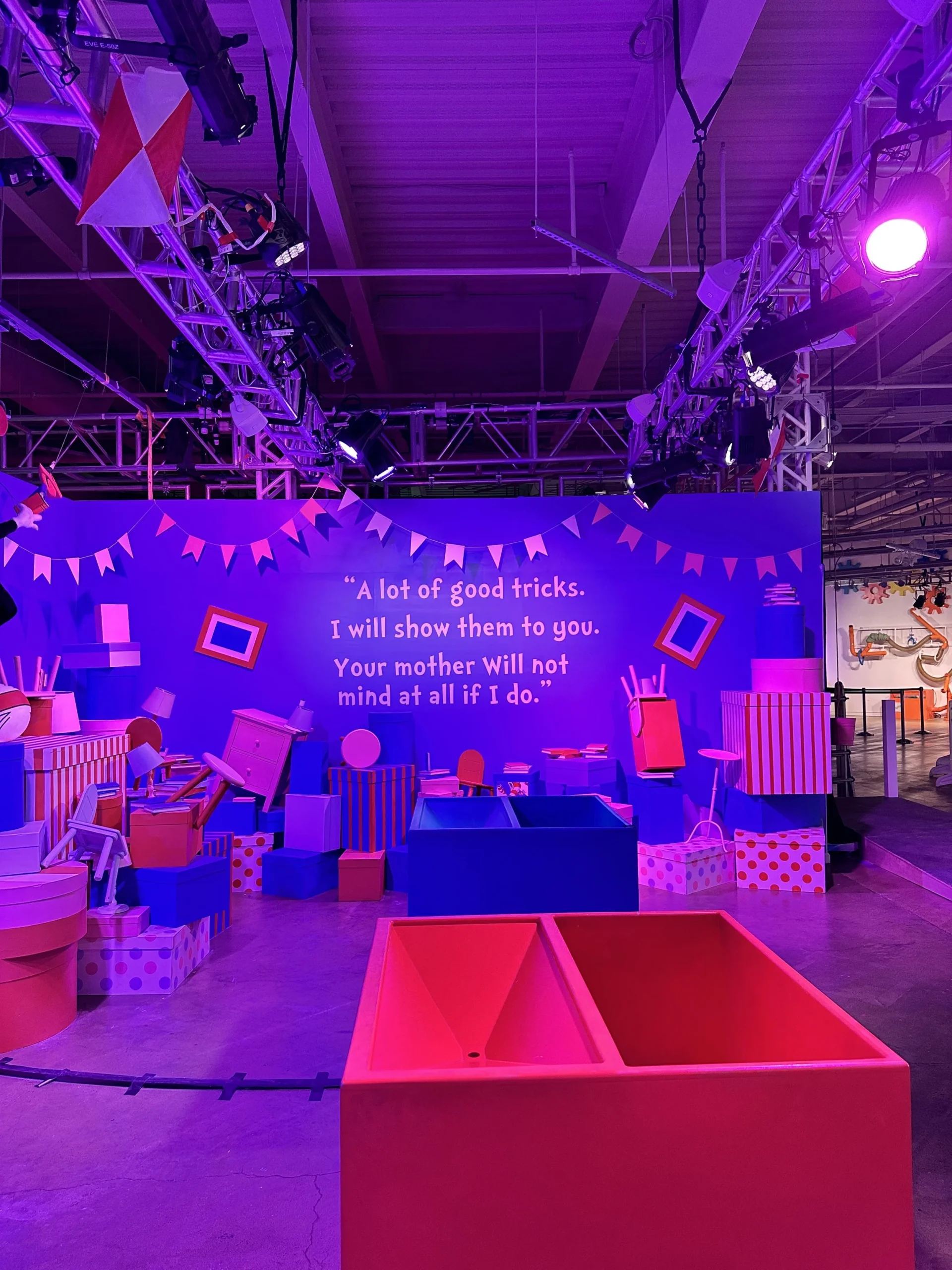
    • Dimensional signs that double as photo ops

    • Custom floor graphics for interactive wayfinding

    • LED-integrated signs for nighttime events

    • Personalization by location, audience, or message

    Whether you're hosting a trade show or a product launch, dynamic event signage printing helps build atmosphere, increase engagement, and leave a lasting impression.

    4. Fast Turnaround & Personalization Are Non-Negotiable

    Thanks to modern digital workflows, companies are demanding (and receiving) faster turnaround without sacrificing quality. Whether you need a pop-up banner in 24 hours or customized wraps for multiple store locations, large format printing in 2025 is faster and more flexible than ever.

    Advantages of modern on-demand printing:

    • Same-day and 24-hour turnaround options

    • Short print runs with full customization

    • Variable data printing for localized messaging

    • Real-time proofing tools to speed up approvals

    Quick and tailored printing is helping marketers adapt on the fly—and stay ahead of fast-changing trends.

    5. 2025 Design Trends: Maximalism & Motion

    In 2025, subtlety is out. Eye-catching, large-scale design is in. As attention spans shrink, brands are embracing bold creative choices that deliver their message clearly, even from a distance.

    Design elements dominating large format visuals:

    • Oversized typography for easy readability

    • Bright, high-contrast color palettes

    • Layered textures and gradients for visual depth

    • Motion-inspired design that mimics video

    • Tagline-forward messaging for clarity and impact

    Whether it’s for event signage printing or building wraps printing, these design trends make sure your visuals get noticed—and remembered.

    Project Spotlight: Where the Trends Shine

    To fully understand the impact of 2025’s large format printing trends, it helps to see them in action. Here are just a few standout applications transforming how businesses and organizations communicate visually:

    🔹 Fabric Innovations

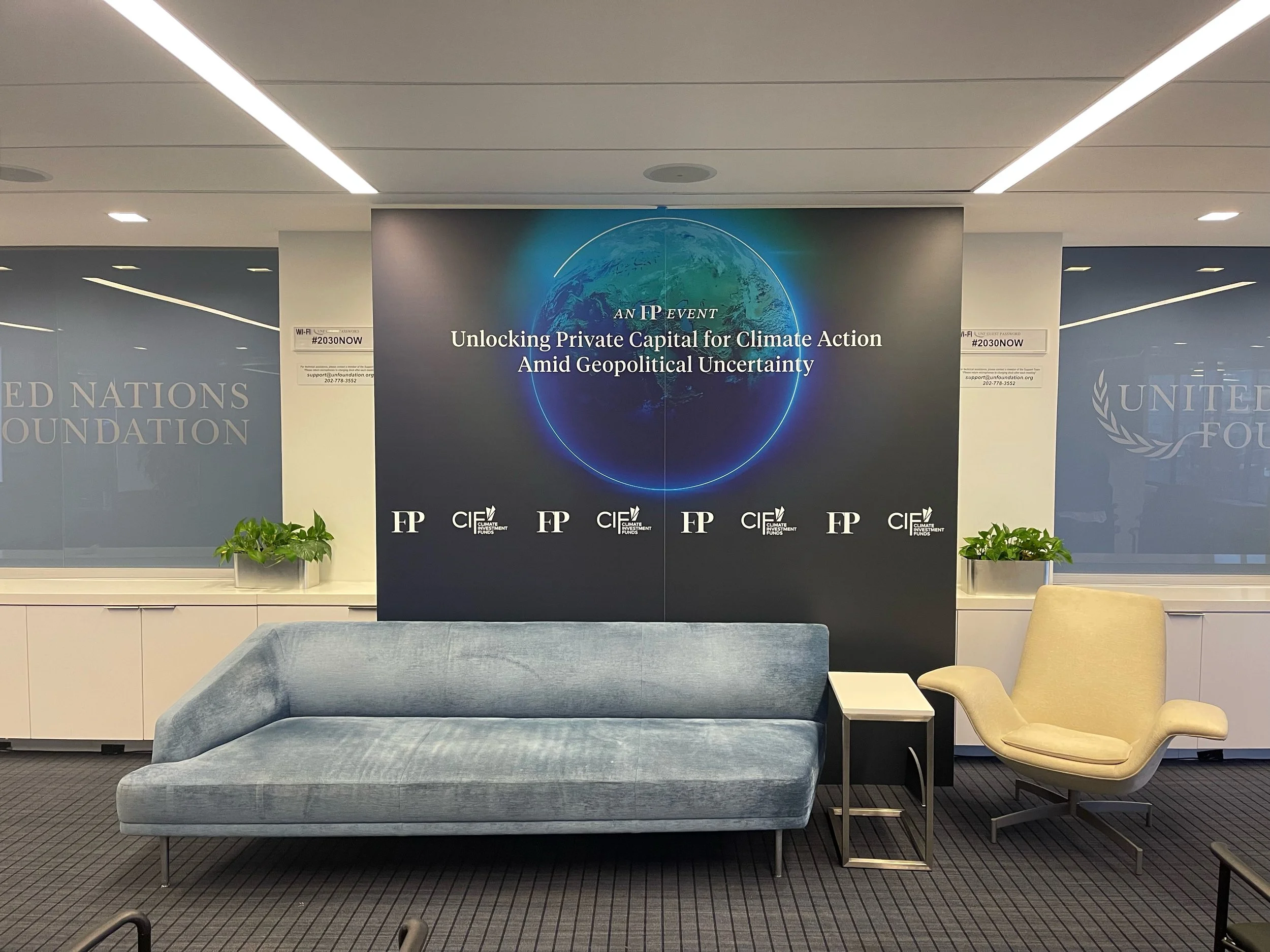
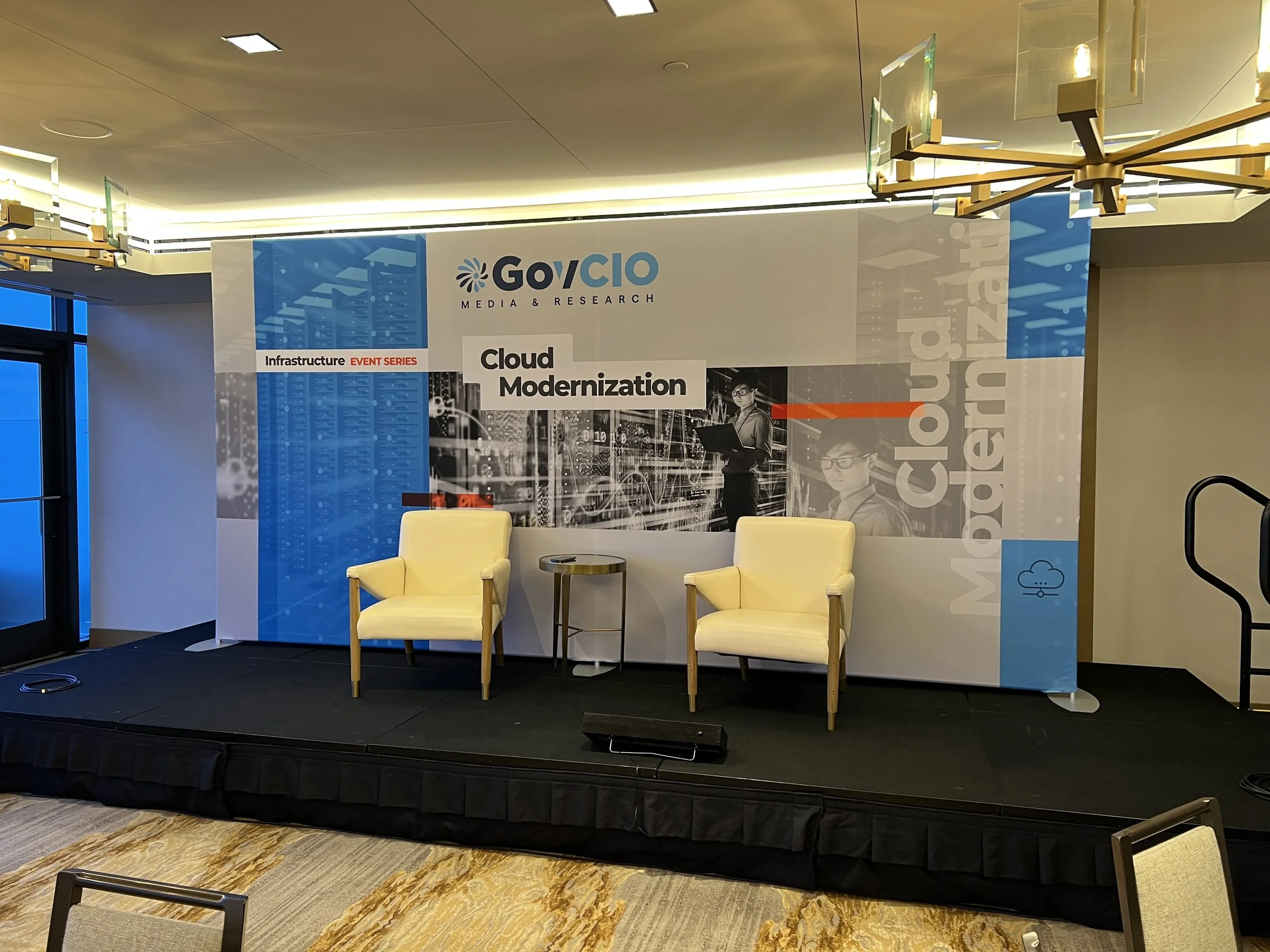
    Lightweight, durable, and eco-friendly, fabric materials are dominating event signage printing and indoor branding projects. Ideal for:

    • Hanging backdrops

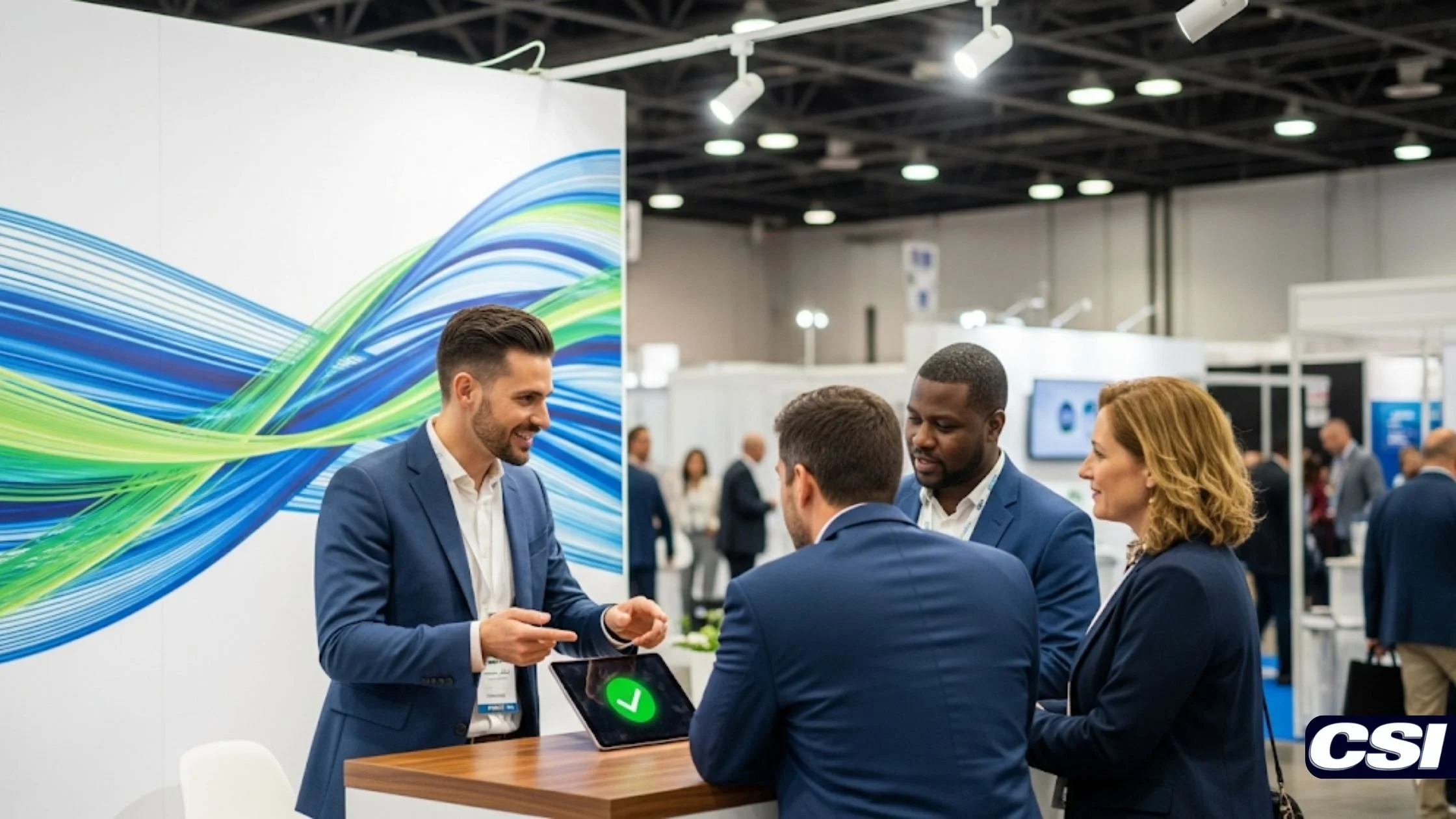
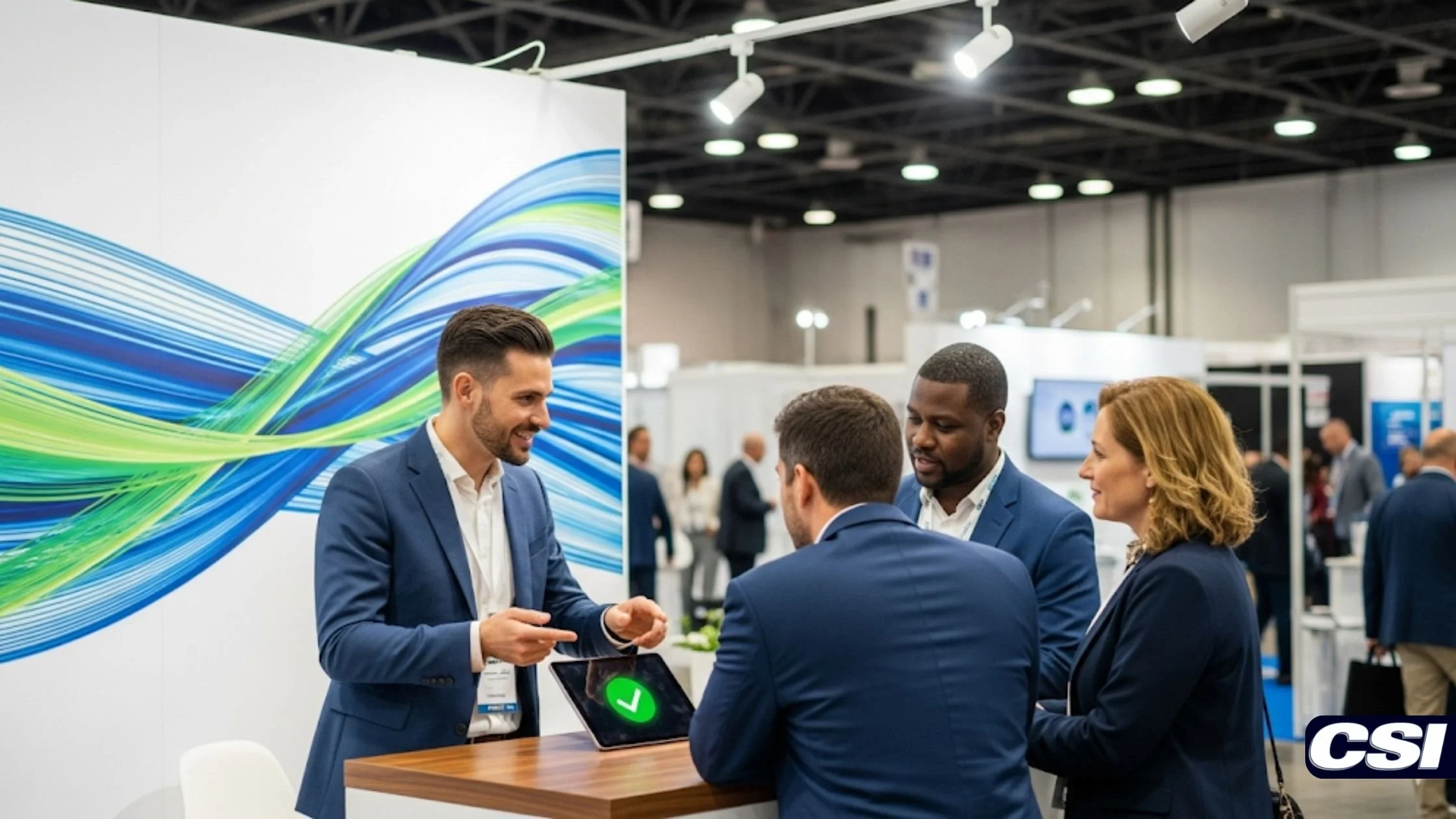
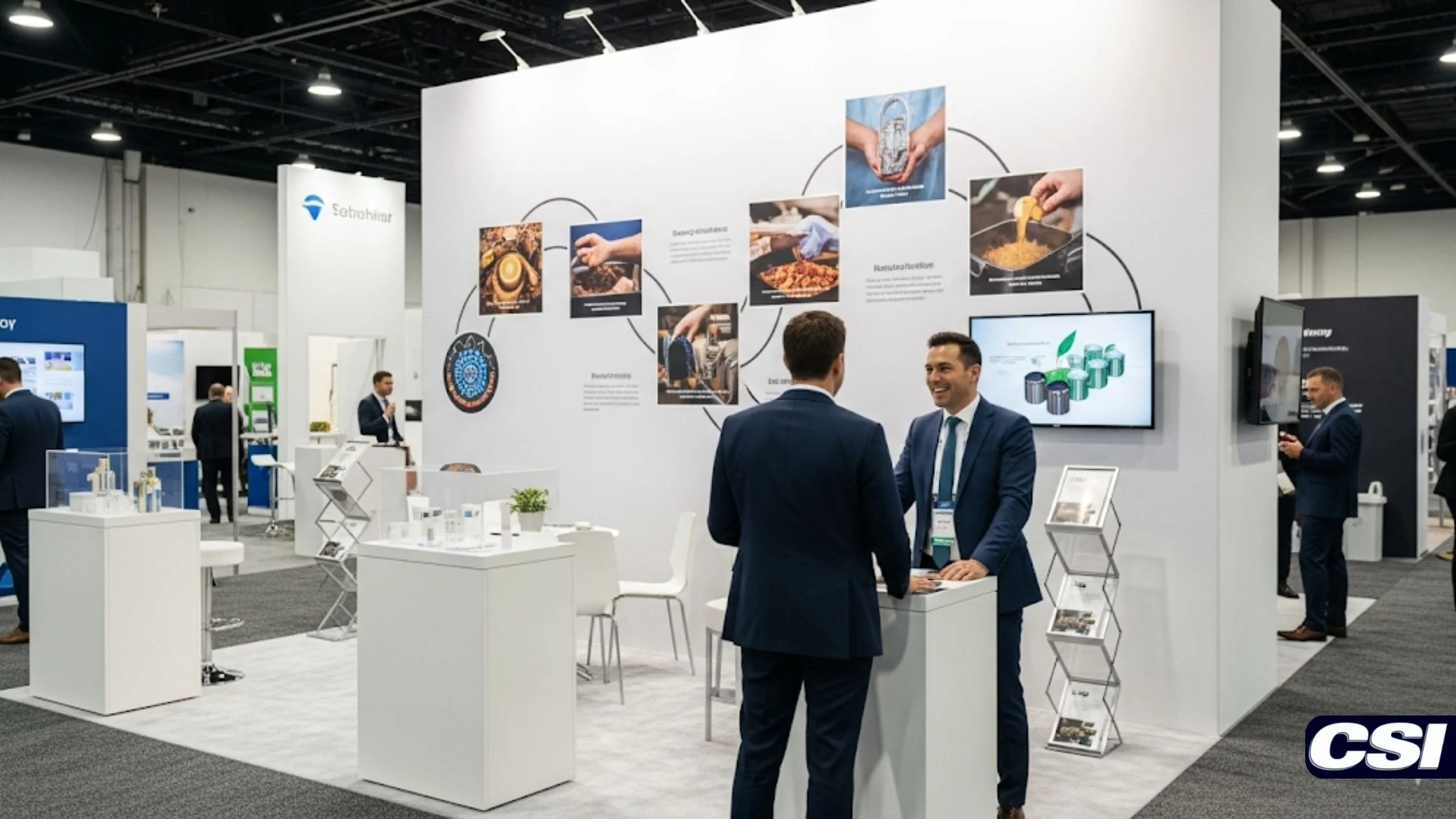
    • Trade show booths

    • Conference stage displays

    🔹 Large Banners & Graphics

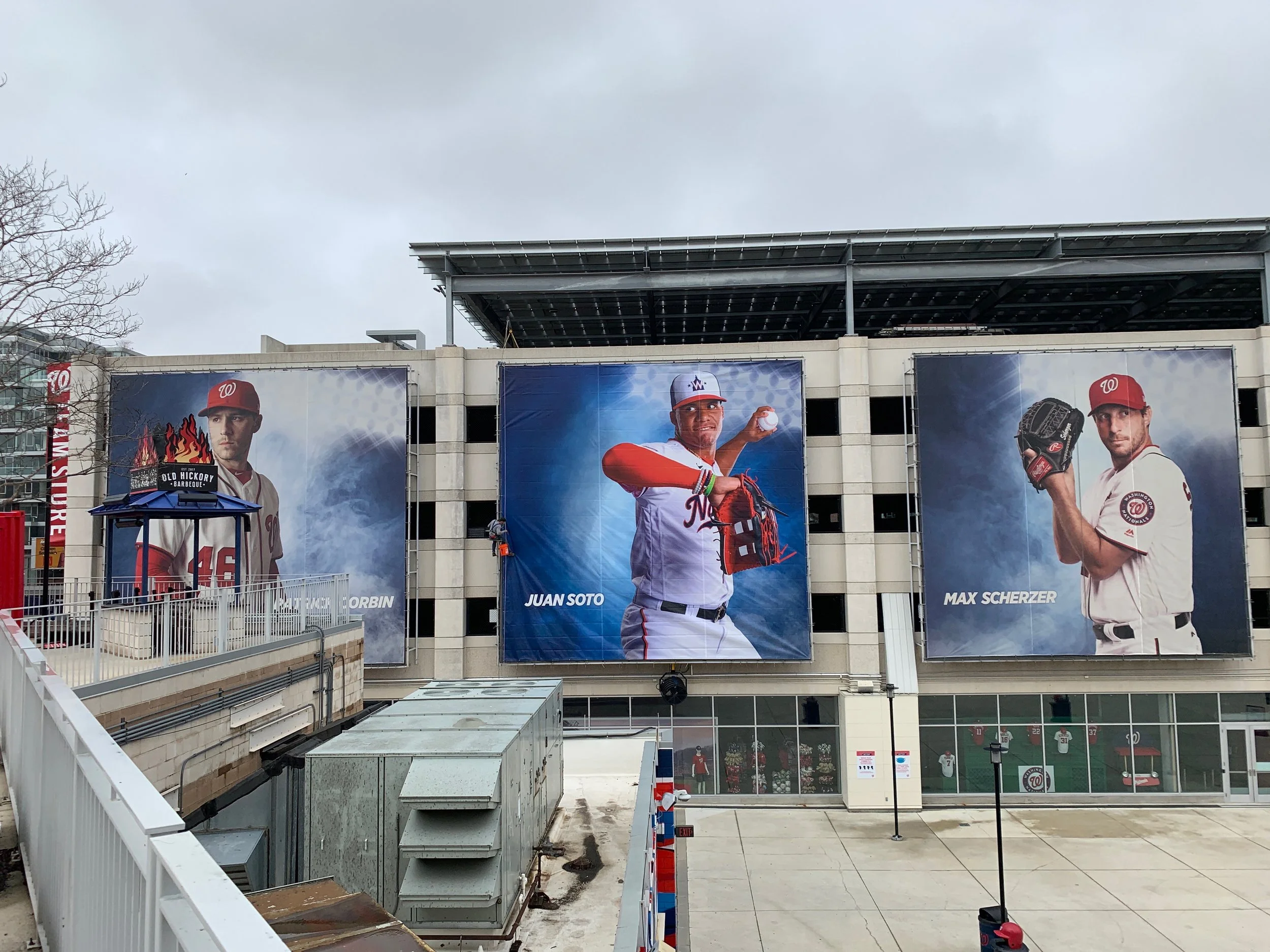
    Bold, high-resolution banners and graphics are taking center stage at stadiums, grand openings, and construction sites, offering maximum visibility and impact.

    🔹 Pole Banners & Fabric Flags

    Perfect for city streets, campuses, or promotional events, pole banners and fabric flags draw attention from pedestrians and drivers alike with vibrant vertical visibility.

    🔹 Exterior Displays

    From building wraps to permanent outdoor signage, 2025 is all about big and bold brand exposure. These trends are especially effective for:

    • Commercial exteriors

    • Property developments

    • Municipal campaigns

    🔹 Vehicle & Other Wraps

    Vinyl wraps are extending beyond cars and trucks. We’re now seeing full coverage on buses, vans, food trucks, and even vending machines—each a mobile billboard.

    🔹 Marketing Centers

    From real estate offices to model homes, large format displays create immersive, branded environments that leave a lasting impression.

    🔹 School & Sports Marketing

    Schools and athletic facilities are using large format printing to promote events, boost team spirit, and enhance campus branding.

    🔹 Interior Branding

    Inside retail spaces and offices, wall murals and dimensional signage help tell a brand’s story while creating a welcoming and modern look.

    🔹 Barricades, Dustwalls & Storefronts

    Even during renovations or construction, smart brands turn physical barriers into messaging opportunities. Custom barricade wraps and dustwalls turn blank spaces into branding tools.

    🔹 Site and Monument Signs

    For long-term visibility, site and monument signs offer durable, weather-resistant solutions that reflect professionalism and permanence.

    By leveraging these varied formats and surfaces, brands can fully embrace the power of large format printing across both physical and experiential touchpoints.

    Final Thoughts

    The future of print is large, loud, and full of opportunity. These large format printing trends of 2025 are reshaping how companies advertise, brand, and connect with their audience. Whether you're considering building wraps for a city-wide campaign or custom event signage printing for your next big event, now is the time to take advantage of everything modern print has to offer.

    CSI Printing & Graphics is at the forefront of this evolution, offering innovative large format solutions for businesses that want to make an impact. With over 30 years of experience, CSI provides everything from concept to professional installation, with an unmatched focus on quality, speed, and service.

    👉 Ready to go big with your branding? Contact us today or call (703) 205-0000 to get started on your next print project.

    Previous
    Previous

    How to Design Eye-Catching Printed Materials That Stand Out

    Next
    Next

    Brochures, Catalogs, and Credentials: Why Same-Day Printing Matters

  • Brochures, Catalogs, and Credentials: Why Same-Day Printing Matters

    Brochures, Catalogs, and Credentials: Why Same-Day Printing Matters

    Brochures, Catalogs, and Credentials: Why Same-Day Printing Matters

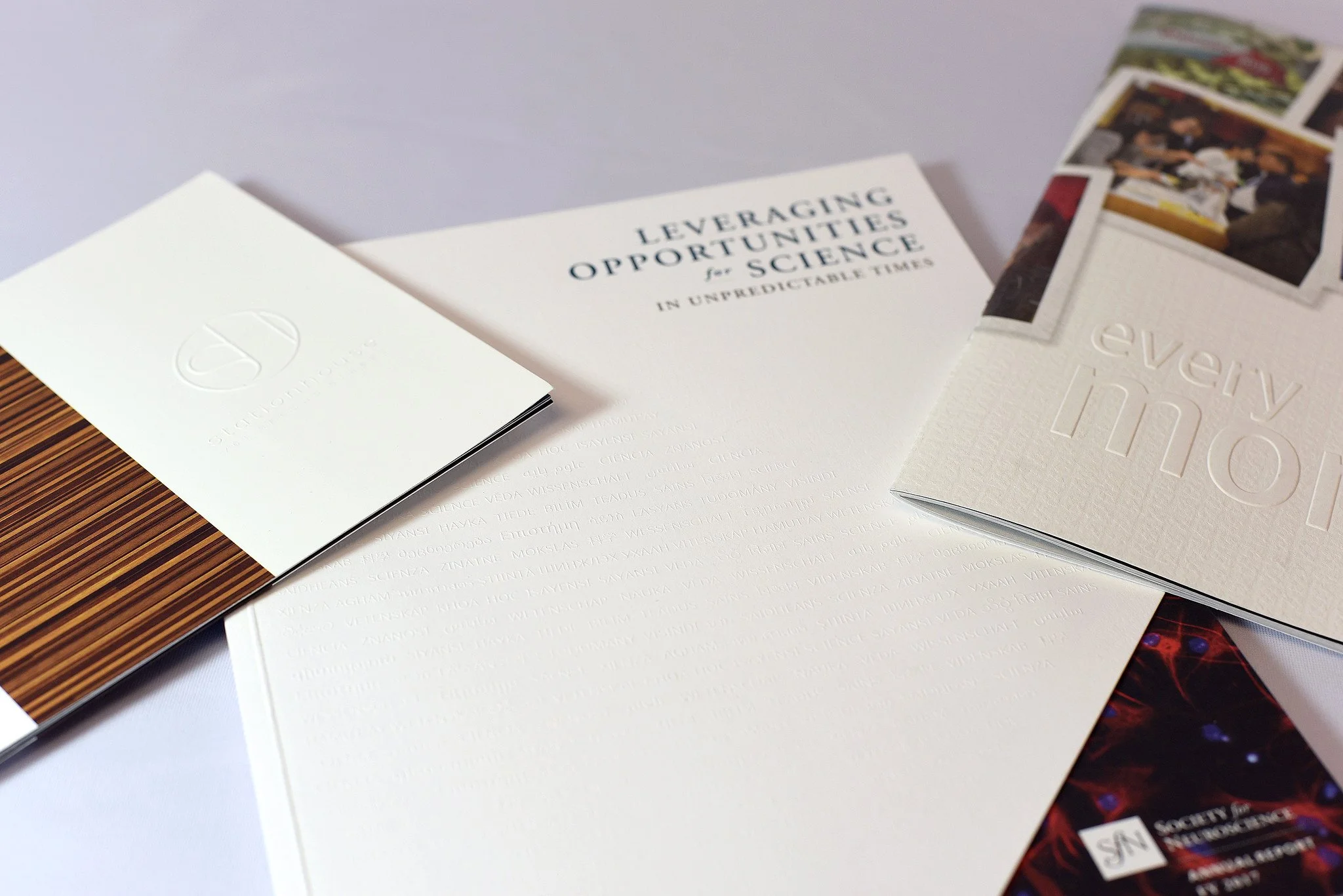
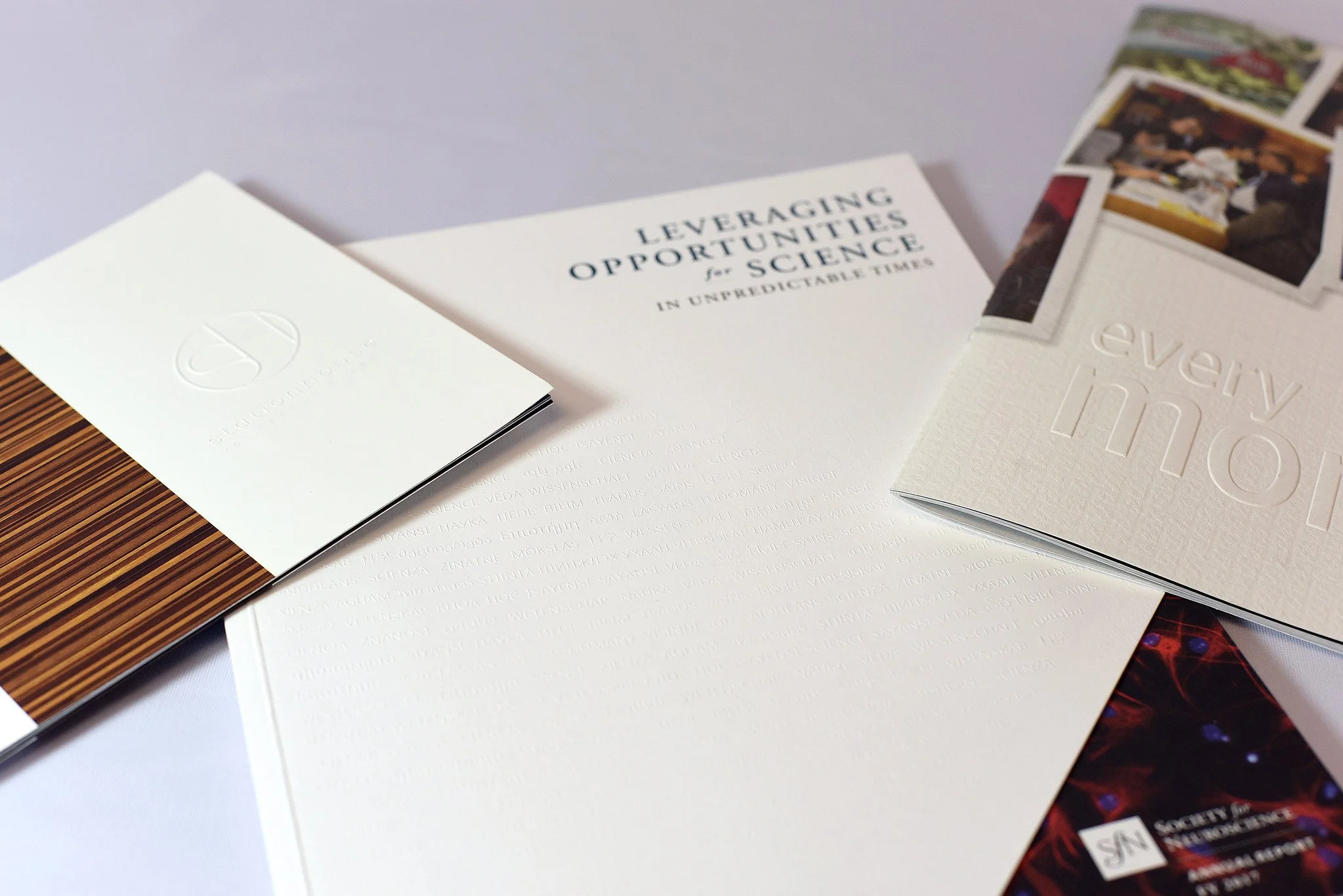
    Printed brochures showcasing same-day printing

    Small format digital printing delivers the agility modern businesses need to keep pace with ever-shifting marketing demands. From urgent brochures for impromptu client meetings to product catalogs finalized at the eleventh hour, this technology empowers teams to produce high-quality collateral in mere hours. By embracing same-day printing, organizations eliminate delays that can derail campaigns or events. Small Format Digital Printing seamlessly combines speed, precision, and customization to drive brand impact.

    What is Small Format Digital Printing?

    Small format digital printing refers to direct-to-media processes that print images and text onto substrates typically up to oversized A3 size. Unlike offset printing, which relies on plates and lengthy setup, digital presses such as HP Indigo and digital inkjet systems transfer toner or liquid ink precisely in real time. This direct process supports short runs, rapid turnaround, and personalization without the cost overhead of traditional methods. With digital presses now offering white ink, clear raised varnish, and variable data capabilities, businesses can achieve striking finishes normally reserved for long-lead jobs.

    The Digital Printing Revolution

    Digital printing has redefined how marketing materials are produced. Traditional offset workflows require plate creation, color proofs, and press adjustments that consume days. In contrast, small format digital printing workflows begin once a print-ready PDF is approved. With minimal setup time, machines print directly from digital files, enabling same-day or next-day brochure printing with consistent color output and minimal waste.

    Key Components of Small Format Digital Printing

    Core elements of small format digital printing include prepress software, digital front ends, and advanced finishing modules. Prepress software ensures files adhere to CMYK specifications and bleed requirements. Digital front ends manage data streams, variable data insertion, and color management. Finishing modules handle cutting, folding, laminating, and binding to create brochures, catalogs, and credentials in a fraction of the usual timeframe.

    How Does Same-Day Printing Accelerate Marketing Efforts?

    Same‐day printing accelerates marketing by eliminating lead time and enabling reactive campaigns. When an unexpected trade show opportunity arises, teams can design and print brochures within hours, not days. This immediacy enhances brand responsiveness and allows companies to capitalize on fleeting market windows. With on‐demand materials, marketing departments remain agile and can tailor messages to current trends or localized demographics without the risk of outdated collateral.

    Speed and Agility in Print Marketing

    In fast‐moving markets, waiting for traditional print can cost more than just time. A missed deadline for catalog distribution might lead to lost orders, while delayed event flyers can undermine attendance. Same‐day printing provides a safety net, ensuring that projects stay on schedule regardless of last‐minute revisions or unforeseen delays.

    Maintaining Consistency Across Campaigns

    Brands must uphold consistent design, color, and messaging across all touchpoints. Digital presses equipped with color calibration tools and proofing workflows guarantee that each batch matches brand guidelines. Even with rapid turnarounds, marketers can be confident that brochures and credentials maintain a unified look alongside larger assets.

    Why Choose Same-Day Brochure Printing Over Next-Day Brochure Printing?

    When time is critical, next-day brochure printing may still be too slow. Same-day services compress turnaround to just a few hours, making them ideal for urgent presentations and pop-up events. Whether seeking a handful of brochures for an impromptu board meeting or a hundred for a kiosk display, businesses can rely on immediate production without sacrificing quality.

    Variable deadlines and shifting priorities demand print providers capable of accommodating rush jobs. Small format digital printing presses operate on direct workflows that bypass the scheduling queues of offset shops. By choosing same-day over next-day services, brands gain a competitive advantage and the freedom to innovate on the fly.

    Balancing Cost and Urgency

    Rushing a print job often raises concerns about premium pricing. However, many print houses structure same-day services competitively, especially for small runs. Clients benefit from bundled design, printing, and finishing packages that deliver value even under tight timelines. When weighed against the potential revenue from timely materials, the incremental cost of same-day printing frequently proves justified.

    Which Industries Benefit Most from Rush Printing Services?

    Rush printing services serve a wide array of sectors—retail, real estate, hospitality, and education all experience last-minute needs. Retailers launching surprise sales promotions require flyers and shelf talkers at a moment’s notice. Real estate agents may need updated property catalogs for open houses. Event planners often finalize menus or badges hours before kickoff. Educational institutions rely on urgent credential printing for exams, certificates, and transcripts.

    In healthcare, small clinics might need patient information brochures printed overnight. Industrial suppliers often dispatch product catalogs urgently to secure timely purchase orders. Across these sectors, small format digital printing ensures every critical communication piece is available precisely when needed.

    How Variable Data Elevates Personalized Marketing

    Variable data printing (VDP) stands as a cornerstone of digital workflows. By merging databases with design templates, each printed piece can include unique names, images, or offers. This personalization drives higher engagement and response rates, particularly in direct mail and invite campaigns. Brands leverage variable data to deliver customized credentials—such as membership cards with distinct barcodes—or personalized catalogs where each recipient sees targeted product recommendations.

    The flexibility of small format digital printing presses makes VDP economically feasible even for short runs. Color management systems ensure that each unique print maintains consistent quality, while prepress verification tools prevent data errors.

    Examples of Variable Data Applications

    A university might issue personalized alumni newsletters featuring individual donation history. A small non-profit could tailor event invitations with unique QR codes for each attendee. Local businesses dispatch targeted discount mailers printed with separate coupon codes to track redemption rates. In every case, VDP enhances the relevance of print communications.

    Service Turnaround Typical Use Cases
    Same-Day Printing 2–6 hours Urgent brochures; event flyers
    Next-Day Brochure Printing 24 hours Scheduled meetings; training kits
    Standard Offset Printing 3–5 business days High-volume catalogs; manuals

    Ensuring Quality Control Under Pressure

    Quality control remains paramount, even when deadlines loom. Every same-day order must pass digital preflight checks to spot errors in resolution, color mode, or fonts. Press operators perform on-press color verification using spectrophotometers to match brand standards. Finishing technicians monitor cutting tolerances, fold alignment, and binding integrity. Automated quality management systems log each batch for traceability, ensuring that no rushed job compromises on excellence.

    Preventing Common Pitfalls

    Rush workflows face heightened risk of file errors or misaligned finishing. To mitigate these risks, clients should submit print-ready PDFs with outlined fonts and correct bleeds. Clear communication channels between design, production, and delivery teams further streamline the process, guaranteeing that each brochure or catalog meets specifications.

    Exploring Substrates and Finishes for Credentials

    Credentials such as certificates, ID cards, and badges often require specialized substrates and finishes. Digital presses can handle a spectrum of stocks, from heavyweight cardstock to synthetic materials like PVC. Finishing touches—embossing, foil stamping, spot UV coating—elevate the perceived value of credentials and reinforce brand prestige.

    With small format digital printing, clients can request white ink backgrounds on dark stocks or raised varnish accents for tactile appeal. Such embellishments, once exclusive to long-lead offset jobs, are now achievable in same-day workflows, broadening creative possibilities.

    Finishing Option Description
    Spot UV Varnish Adds glossy emphasis on selected areas
    Foil Stamping Applies metallic foil for premium highlights
    Embossing Creates raised patterns for tactile texture
    Lamination Offers matte or gloss protection

    Integrating Print with Environmental Sustainability

    As print volumes surge with short-run campaigns, sustainability becomes a focal concern. Many digital print providers now source FSC-certified papers and eco-friendly toners. On-demand printing reduces waste from excess inventory and obsolete collateral. Moreover, variable data printing limits overproduction by customizing print quantities to exact mailing lists.

    The combination of small format digital printing and green practices helps brands align with environmental goals without sacrificing speed or quality. Clients can specify recycled substrates or vegetable-based inks to further reduce their carbon footprint.

    Synchronizing Brochures with Signage Strategies

    Effective marketing often combines print collateral with physical wayfinding and promotional signage. Small brochures complement storefront displays and banners, guiding customers from entrance to product areas. By coordinating brochure design with wayfinding signage, brands deliver cohesive visual experiences that enhance visitor journeys.

    In busy retail environments, brochures featuring store maps or promotional offers can drive foot traffic to key areas. When paired with crisp digital prints on posters and panels, the synergy between print formats elevates campaign effectiveness and brand recall. Bold collaboration between print and signage teams ensures unified messaging across all channel touchpoints.

    In a related project, CSI Printing & Graphics also provides bold solutions for wayfinding signage that align with brochure aesthetics and brand colors.

    Aligning Small and Large Format Solutions

    While small format prints address personal handouts and desk drops, large format graphics capture attention from afar. Banners, building wraps, and trade show displays require robust substrates and wide-format digital presses. Yet digital workflows allow file sharing between small and large format departments, ensuring visual consistency.

    When a brochure’s layout transitions to a 10-foot banner, color matching and design elements must scale seamlessly. Integrated production systems facilitate this handoff, enabling brands to manage both Small Format Digital Printing and Large Format Digital Printing under one roof.

    Streamlining Installation and Delivery Logistics

    Fast printing is only part of the solution; efficient installation and delivery complete the cycle. After production, print houses coordinate with certified installers for on-site placement of signage or distribution of brochures. Local courier services expedite drop shipments to offices or event venues within hours. For multi-location rollouts, logistic platforms track each package in real time.

    CSI Printing & Graphics not only produces finished prints but also orchestrates Signage Installation and delivery, ensuring collateral arrives and is set up precisely when teams need it.

    Leveraging Digital Proofing for Faster Approvals

    Digital proofing tools accelerate client approvals, replacing physical mock-ups with online annotations. Stakeholders can mark PDF proofs, request changes, and sign off on color samples virtually. This streamlined feedback loop cuts days off traditional approval cycles.

    Cloud-based proofing platforms integrate with digital printing workflows, automatically queuing approved files for immediate printing. By eliminating physical courier delays, brands achieve same-day production with confidence in accuracy.

    The Role of Design Software in Rapid Turnarounds

    Design applications like Adobe InDesign and Affinity Publisher offer automated templates for brochures, catalogs, and credentials. Linked data sets for variable printing enable designers to map database fields directly into templates. Preflight plug-ins check for bleeds, margins, and color profiles before exporting print-ready PDFs.

    When combined with digital front-end management systems, these design tools underpin fully automated workflows. Designers can release packages to production queues with a single click, transforming creative assets into tangible collateral in record time.

    Best Practices for Next-Day Brochure Printing

    Although same-day is ideal for instant needs, next-day brochure printing remains a viable option for planned events. Clients should finalize designs by early afternoon and confirm substrate choices at least 12 hours before delivery. Clear instructions on fold types—bi-fold, tri-fold, z-fold—and binding options help finishing teams prepare equipment in advance.

    By understanding production cutoffs and submitting print-ready files promptly, marketers can harness next-day services without sacrificing creative flexibility. Prebooked slots and streamlined proofing further guarantee timely delivery.

    How Same-Day Digital Printing Delivers Speed, Quality & Sustainability

    Same-day small format digital printing transcends traditional limitations by marrying speed with versatility. From brochures and catalogs to personalized credentials, businesses can respond instantly to market opportunities and last-minute changes. By integrating rush workflows with eco-friendly practices, digital proofing, and comprehensive installation support, brands maintain both agility and quality. For organizations seeking dependable, rapid-turnaround solutions, CSI Printing & Graphics delivers expert small format digital printing services tailored to urgent needs and unwavering standards. Small Format Digital Printing remains the cornerstone of their same-day offering.

    If you require prompt, high-quality print solutions, please reach out and Contact Us today to discuss your next project.

    Frequently Asked Questions

    What turnaround times can I expect for same-day brochure printing?

    Turnaround for same-day printing typically ranges from 2 to 6 hours after proof approval. Factors include print volume, finishing complexity, and current production schedules. Early submission increases the likelihood of meeting tight deadlines.

    Can small format digital printing handle variable data personalization?

    Yes. Small format digital presses support variable data printing, allowing unique text or images on each piece. This feature is ideal for direct mail campaigns, customized credentials, and targeted promotional materials.

    How does next-day brochure printing differ from same-day services?

    Next-day printing provides a 24-hour window for production, proofing, and finishing. It offers slightly more flexibility for complex jobs or larger quantities. Same-day services, by contrast, compress all steps into a single business day for urgent needs.

    What substrates and finishes are available for credentials and catalogs?

    Clients can choose cardstock, synthetic stocks like PVC, and specialty papers such as silk or textured linen. Finishes include spot UV varnish, foil stamping, embossing, and lamination to enhance durability and aesthetics.

    How do I ensure my files are print-ready for urgent printing?

    Submit high-resolution CMYK PDFs with outlined fonts, correct bleeds, and embedded images. Use preflight tools in your design software to check for errors. Communicate any special color or finishing instructions to the print provider in advance.

    Previous
    Previous

    Top Large Format Printing Trends of 2025: From Building Wraps to Event Signage

    Next
    Next

    From Wall Murals to Brand Stories: How Wayfinding Builds Engagement

  • From Wall Murals to Brand Stories: How Wayfinding Builds Engagement

    From Wall Murals to Brand Stories: How Wayfinding Builds Engagement

    From Wall Murals to Brand Stories: How Wayfinding Builds Engagement

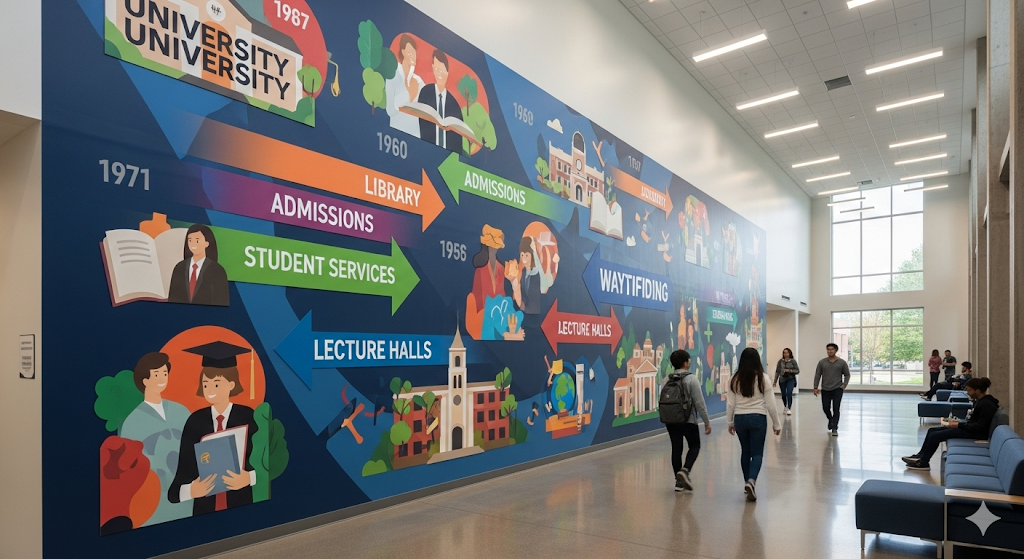
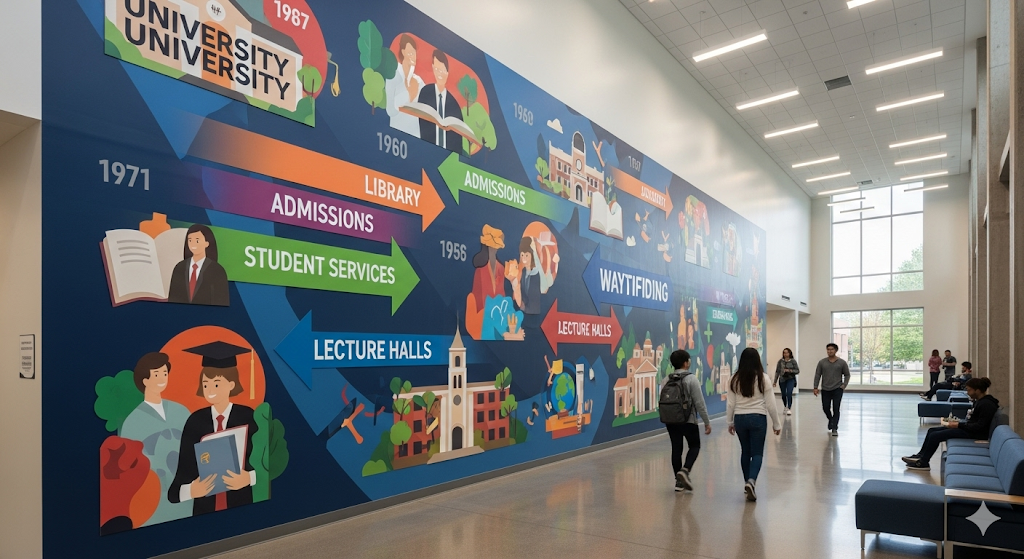
    University wall mural wayfinding signage

    wayfinding signage serves as the visual backbone of any physical environment, guiding visitors through complex spaces with clarity and purpose. Effective systems blend directional cues, branded environments, and artistic elements to reduce confusion and boost engagement. When well designed, these navigational aids not only help people find their destinations but also reinforce a brand’s story. In competitive venues like retail centers, hospitals, and campuses, investing in wayfinding signage can significantly elevate user satisfaction and operational efficiency.

    Defining wayfinding signage

    Wayfinding signage combines directional markers, maps, and informational graphics to create an intuitive navigational network. It encompasses everything from simple restroom icons to complex interactive kiosks. Environmental graphics specialists often collaborate with branding experts to ensure each sign complements the overall aesthetic. The ultimate goal is to deliver consistent cues that align with a venue’s identity while enhancing user experience.

    The strategic importance of navigation systems

    Directional systems do more than point users toward exits or amenities—they shape perceptions of safety, professionalism, and hospitality. An environment with clear, cohesive signage signals that every detail has been considered, fostering trust. Integrating digital displays alongside static markers can further personalize journeys and reduce perceived wait times. By prioritizing user flow, organizations can minimize bottlenecks and improve overall satisfaction.

    How do wall murals transform branded environments?

    Visual storytelling through wall murals

    Wall murals serve as powerful environmental graphics, merging art and information to tell a brand’s story. Murals can depict historical milestones, local culture, or core values in immersive, large-scale formats. This kind of experiential design captures attention and sparks conversation, turning ordinary corridors into interactive galleries. Beyond aesthetics, murals can anchor wayfinding nodes, making key decision points more memorable.

    Creating landmarks with immersive art

    Organizations often deploy murals to establish landmarks that orient and delight visitors. A striking piece at a building entrance doubles as both promotional artwork and a reference point for navigation. Strategic placement of murals near elevators or intersections encourages exploration while reinforcing brand narratives. This strategy blends creativity with wayfinding, fostering a more engaging spatial experience through dynamic visual cues. Incorporating Small Format Digital Printing ensures every mural maintains sharp color fidelity and precise detailing.

    What role do branded environments play in customer engagement?

    Crafting immersive atmospheres

    Branded environments unify architecture, signage, and graphics into a seamless narrative. From corporate lobbies to healthcare facilities, every element contributes to a cohesive atmosphere. Thoughtful selection of materials, textures, and color palettes enhances emotional connections. Visitors absorb brand messages subconsciously as they navigate, deepening recall and loyalty long after they leave.

    Strengthening brand recognition at every turn

    Each point of contact—be it a floor decal, hanging sign, or wall mural—reinforces brand identity and values. Consistent typography, iconography, and graphic motifs across all wayfinding elements build trust. Environments that feel intentionally designed invite longer dwell times and repeat visits. By leveraging Large Format Digital Printing, organizations can produce high-impact visuals at scale while preserving crisp resolution.

    How does wayfinding signage build engagement across spaces?

    Guiding visitors with intuitive design

    Effective wayfinding integrates clear typography, high-contrast color schemes, and universally understood symbols. Designers map typical user journeys to position signs at key decision points, such as entrances, intersections, and service counters. Interactive maps and QR codes can provide supplemental content, enriching experiences. This holistic approach to navigation fosters confidence, ensuring visitors focus on exploration rather than frustration.

    Seamless integration from design to execution

    The journey from concept to installation demands rigorous coordination among graphic designers, print specialists, and installers. Early stage digital proofs and mockups help stakeholders visualize final outcomes. Material selection—from acrylic and aluminum to vinyl and mesh—balances aesthetics with durability. On-site trials verify scale and sightlines before full deployment. Partnering with experts in Signage Installation ensures precise alignment and structural integrity.

    Element Purpose Typical Materials
    Wall Murals Brand storytelling and landmarks Vinyl, direct print
    Directional Signs Navigation and wayfinding Acrylic, aluminum
    Digital Kiosks Interactive mapping and information LCD screens, metal chassis
    Floor Graphics Path indicators and safety markings Slip-resistant vinyl
    Hanging Banners Seasonal messaging and orientation Fabric, PVC

    Best practices for designing wayfinding signage

    Hierarchy and readability in typography

    A clear typographic hierarchy ensures that primary destinations stand out. Large, bold headings paired with concise subtext guide eyes through each sign. Sans-serif typefaces often enhance legibility from a distance. Consistent spacing and alignment maintain visual harmony across all signage assets.

    Material choices and durability

    Selecting robust substrates helps signage withstand environmental stresses like UV exposure and moisture. Indoor wayfinding might favor matte vinyl for glare-free readability, while outdoor systems often require weather-resistant aluminum composites. Laminated finishes can protect against scratches and graffiti. Proper lamination extends service life and preserves brand presentation.

    Design Stage Key Activities Responsible Party
    Concept & Mapping User flow analysis and schematic plans Graphic Designer
    Production Printing and finishing Digital Printing Shop
    Pre-Installation Mockup reviews and material testing Project Manager
    Installation Mounting and fastening Field Installation Team
    Maintenance Cleaning and periodic updates Facility Services

    Conclusion: Elevating spaces with CSI Printing & Graphics

    With strategic use of wayfinding signage, wall murals, and branded environments, organizations can transform functional navigation into memorable brand experiences. CSI Printing & Graphics specializes in crafting cohesive navigational systems that resonate with audiences and support brand goals. From initial design consultation to final Contact Us details, CSI ensures seamless execution and lasting impact. By prioritizing both form and function, CSI empowers clients to build engaging spaces that guide visitors effortlessly and reinforce brand stories.

    Frequently Asked Questions

    What is wayfinding signage?

    Wayfinding signage refers to visual indicators such as directional signs, maps, and environmental graphics that help people navigate complex spaces. These systems guide visitors to their destinations while reinforcing brand identity.

    How can wall murals enhance wayfinding?

    Wall murals act as memorable landmarks that break up repetitive corridor layouts and provide contextual storytelling. When paired with directional cues, murals help visitors orient themselves and engage more deeply with a space.

    What materials are best for outdoor wayfinding signage?

    Outdoor signs typically use weather-resistant substrates like aluminum composite panels or laminated vinyl. These materials endure UV exposure, moisture, and physical wear while maintaining vivid colors and crisp graphics.

    How long does signage installation take?

    Installation time varies by project scope and site complexity. Simple directional signs can be mounted in hours, while large-format environmental graphics or digital kiosks may require days for alignment, electrical work, and testing.

    Can branded environments increase customer dwell time?

    Yes. Cohesive branded environments create emotional connections and reduce navigational frustration, encouraging visitors to linger. When wayfinding and ambient graphics align with brand narratives, users are more likely to explore and return.

    Previous
    Previous

    Brochures, Catalogs, and Credentials: Why Same-Day Printing Matters

    Next
    Next

    Trade Shows Decoded: Crafting Pop-Up Booths That Convert Leads

  • Trade Shows Decoded: Crafting Pop-Up Booths That Convert Leads

    Trade Shows Decoded: Crafting Pop-Up Booths That Convert Leads

    Trade Shows Decoded: Crafting Pop-Up Booths That Convert Leads

    Trade show booth converting leads

    In today’s competitive exhibition landscape, exhibitors understand that large-format signage is the cornerstone of any high-impact trade show presence. When combined with striking trade show graphics, immersive backdrops, and versatile pop-up displays, it transforms an ordinary booth into an engaging environment that attracts leads. Seasoned event marketers know that every element must work in harmony to tell a brand’s story and draw prospects into meaningful conversations. By decoding the art and science behind award-winning booth designs, organizations can turn fleeting interactions into qualified leads and lasting partnerships.

    What makes large-format signage essential for trade show success?

    Large-Format Signage delivers a bold visual statement that anchors a pop-up booth on crowded exhibition floors. Its oversized dimensions ensure visibility from across wide aisles, helping attendees orient themselves from the moment they enter the hall. When booth managers pair wall-to-wall graphics with strategic lighting, they create an unmistakable focal point that piques curiosity and draws foot traffic. Moreover, the scale of these printed elements reinforces brand authority, positioning exhibitors as industry leaders who invest in quality presentation.

    Why should pop-up displays be the foundation of any booth setup?

    Pop-up displays excel in delivering seamless, portable solutions that span a range of booth sizes and configurations. Modular by design, these systems collapse into compact carrying cases for effortless transport between events. Upon arrival, exhibit teams can install rigid frames and tensioned fabric graphics in under thirty minutes, ensuring punctuality even in the most hectic show environments. Their toolkit-style assembly requires no specialized tools or technical expertise, making them popular among lean marketing departments tasked with rapid turnarounds.

    Benefits of Modular Construction

    Exhibitors benefit from modular frames that snap together securely, creating a stable structure for printed panels. As a result, brands can swap graphics or add new messaging without overhauling the entire setup. This adaptability extends a booth’s lifespan and maximizes return on investment by supporting evolving campaigns, product launches, or sponsorship activations.

    Quick Assembly and Disassembly

    Time is critical at trade shows, where delays can translate into missed networking opportunities. Pop-up displays streamline booth installation through color-coded connectors and intuitive instruction guides. When the show concludes, teams reverse the process in minutes, freeing staff to focus on post-event follow-ups instead of hours spent manually dismantling bulky hardware.

    Trade show booth graphics storytelling

    How can backdrops amplify brand storytelling at exhibitions?

    Backdrops provide a canvas for brands to narrate their most compelling stories through imagery, typography, and color palettes. Stretch-fabric tension systems envelop booth perimeters with edge-to-edge graphics, creating immersive environments that resonate with attendees on an emotional level. By integrating dynamic visuals—such as macro product shots or lifestyle photography—backdrops guide visitors through a curated journey that highlights key differentiators. These scenic backdrops also serve as photo-op stations, encouraging social sharing and extending brand reach beyond the trade show floor.

    How do trade show graphics guide attendee flow and engagement?

    Thoughtfully designed trade show graphics function as wayfinding tools that direct foot traffic toward demo stations, meeting areas, or presentation zones. Arrows, numbered steps, and strategic color contrasts simplify navigation within larger exhibition spaces. When paired with clear signage for seating, charging stations, or product highlights, graphics reduce cognitive load and keep prospects moving through the booth. This orchestrated flow ensures that no visitor misses a critical touchpoint and supports measurable lead-capture strategies.

    Secrets to designing interactive pop-up booths that convert leads

    Interactive elements shift a booth from static display to engaging environment, prompting attendees to pause, participate, and remember. Touchscreen kiosks loaded with product configurators encourage self-guided exploration, while QR code integrations enable instant access to digital catalogs and exclusive content. Gamified experiences—like spin-to-win wheels or trivia stations—offer lighthearted incentives in exchange for contact information. By blending analog and digital interactivity, brands create a multi-sensory experience that sustains attention and fosters a stronger emotional connection.

    Incorporating Technology

    Integrating high-resolution monitors or projection mapping onto tension fabric surfaces captures wandering eyes and situates the brand at the intersection of innovation and creativity. Live social media feeds, updated in real time, reinforce the event’s momentum and invite on-site participants to share branded hashtags.

    Utilizing Experiential Elements

    Beyond screens, brands can enlist product demonstrators or VR headsets to showcase features in immersive formats. Demonstrations enable attendees to experience solutions firsthand, while virtual tours of manufacturing plants or retail environments deepen understanding and trust.

    Visual hierarchy and layout: principles for effective exhibition stands

    Exhibitors achieve maximum impact by establishing a clear visual hierarchy within their booth design. Larger graphic panels introduce the brand, mid-size banners spotlight product benefits, and smaller call-to-action signs navigate prospects through the space. Designers recommend placing the most critical messaging at eye level—approximately 5 to 6 feet off the floor—where it naturally captures attention. Secondary information, such as technical specifications or award badges, can reside on counters or literature racks.

    By balancing positive and negative space, booths avoid overcrowding, ensuring each graphic component has room to breathe. Color theory informs accent hues that draw the eye to interactive zones or promotional displays. Strategic lighting further accentuates key areas, casting subtle shadows that add dimension without causing glare on printed surfaces.

    Visual Hierarchy and Layout Tips for Trade Show Booth Success

    Large-format signage establishes a booth’s visual anchor, while Small Format Digital Printing delivers supporting collateral like flyers, brochures, and business cards. Together, they sustain brand consistency across every tactile touchpoint. When fabricating literature holders and pop-up counters, alignment of color profiles ensures that vibrant hues remain faithful from expansive banners down to invitation-sized handouts. Production teams coordinate proofing workflows, utilizing calibrated monitors and test swatches to avoid color shifts between equipment.

    Why choose professional installation for print and signage projects?

    Even the most compelling graphics lose impact if they’re crooked, bubbled, or poorly lit. Engaging experts in Installation for Print and Signage Project ensures each panel stretches taut, edges align perfectly, and weight distributions meet safety standards. Certified installers apply industry best practices when anchoring overhead signs, leveling banner stands, and integrating backlit frames. Their experience accelerates set-up timelines and mitigates last-minute adjustments, letting exhibitors focus on training their booth staff rather than wrestling with hardware.

    How do strategic partnerships with print vendors boost booth performance?

    Collaborations between exhibit managers and print providers streamline communication around file specifications, material selection, and fulfillment schedules. When brands work with a single vendor for both Large-Format Signage and ancillary print items, they leverage volume discounts and unified color management. Centralized ordering systems reduce administrative overhead, enabling faster revisions and consolidated shipping. These synergies allow marketing teams to concentrate on creative direction instead of reconciling multiple supplier quotes.

    How to layer graphics, lighting, and furnishings for immersive atmospheres?

    Booth designers craft sensory-rich experiences by layering printed walls with diffused uplights, ambient music, and custom furniture that complements brand aesthetics. Soft-edge sofas and stools break up the floor plan and encourage prolonged conversations around product demos. Pendant lights above communal tables highlight networking zones, while LED strips behind tension fabric create glowing silhouettes. Each element—from textured carpeting to branded throw pillows—contributes to a cohesive environment that feels both professional and approachable.

    What metrics validate lead-generation through pop-up booths?

    Tracking ROI from trade shows begins with quantifying booth traffic via people-counting sensors or gate attendants. Session lengths at interactive kiosks reveal content engagement, while badge-scan data maps exhibitor-attendee interactions. Post-event surveys assess memory retention and brand recall, measuring vibrancy of large-format visuals against competitors. Lead-scoring frameworks weigh each captured contact by firmographics and expressed interests, enabling immediate EDM follow-ups. Comparing these metrics across shows informs design refinements, optimizing both graphic placement and engagement tactics.

    How can brands future-proof their booth investments?

    Modular pop-up systems future-proof marketing budgets by accommodating new configurations and message updates at minimal cost. When printed panels become outdated, only the graphics need replacement, while frames and connectors remain reusable. Investing in neutral hardware finishes—like matte black or anodized silver—ensures booth visuals always appear modern, even as branding evolves. Multi-year rental options let exhibitors test equipment performance before committing to outright purchase, combining flexibility with cost predictability.

    Ensuring booth accessibility and inclusivity

    Inclusive booth design considers mobility devices, sight lines, and auditory accommodations. Aisles should clear ADA guidelines with at least 36 inches of unobstructed space. Graphics placed at various heights serve both standing guests and those seated in wheelchairs. Subtitled videos on kiosks and printed transcripts for auditory demos enhance participation for hearing-impaired attendees. By addressing universal design principles, brands demonstrate social responsibility and broaden their pool of qualified leads.

    Leveraging experiential marketing to deepen connections

    Beyond static graphics, experiential marketing builds emotional touchpoints that resonate long after the event. Product pick-and-feel stations allow tactile discovery, while scent diffusers tied to brand narratives evoke memory associations. Live art activations—such as on-site mural painting—invite crowds to witness creativity in action. Combining these experiences with robust Contact us invitations cements relationships, prompting attendees to transition from passive observers to active brand advocates.

    Integrating sustainability into pop-up booth design

    Eco-friendly exhibitors optimize material selections by choosing recyclable tension fabrics and reusable hardware kits. Water-based inks on large-format prints minimize VOC emissions, while renewable bamboo counters showcase commitment to green practices. Partnering with vendors that offer take-back programs for old graphics reduces landfill contributions. Communicating these efforts through subtle signage—like eco badges or material origin details—reinforces brand values and appeals to environmentally conscious prospects.

    Maintaining brand consistency across multiple trade shows

    Brands exhibiting at successive events benefit from standardized modular templates and centralized asset libraries. A digital asset management system catalogs every logo, font, and high-resolution image, ensuring literal one-click access for graphic updates. By adopting consistent guideline documents, marketing teams guarantee that pop-up displays and large-format banners align with brand identity while adapting to each venue’s footprint. This methodical approach prevents rushed last-minute design changes and reduces proofing errors.

    Why CSI Printing & Graphics leads the pack in exhibition printing solutions

    When organizations seek end-to-end booth printing services, they turn to CSI Printing & Graphics for their unparalleled expertise and full spectrum of capabilities. From concept consultations to high-precision wide-format printing, CSI offers custom solutions designed to elevate brand presence. Their certifications in color management, rapid digital proofing, and on-site installation support make them the preferred partner for ambitious exhibitors.

    Conclusion

    In the dynamic world of trade shows, a well-executed pop-up booth underpinned by large-format signage forms the gateway to meaningful connections and measurable ROI. By decoding best practices—from modular pop-up displays and immersive backdrops to interactive experiential elements—exhibitors craft environments that captivate and convert. Strategic integration of trade show graphics, sustainable materials, and professional installation ensures every lead opportunity is maximized. For organizations ready to amplify their presence and drive conversions, CSI Printing & Graphics stands ready to transform visions into booth realities.

    Frequently Asked Questions

    How much space do I need for a basic pop-up booth?

    A standard pop-up booth configures easily within a 10’×10’ footprint, offering adequate room for display walls, a reception counter, and two demo stations. Adjustments for larger footprints simply involve adding modular panels.

    What file formats deliver the best quality for large-format graphics?

    Print partners typically accept vector files such as AI, EPS, or PDF for crisp logos and text, and high-resolution TIFF or JPEG files (300 dpi at full-size) for photographic imagery.

    Can pop-up displays withstand outdoor trade shows?

    While standard pop-up frames excel indoors, exhibitors hosting outdoor events should choose weather-resistant fabrics and weighted bases. Certain tension-fabric systems are engineered for mild outdoor conditions.

    How do I calculate the ROI of my trade show investment?

    Combine hard metrics—like badge scans and qualified leads—with soft metrics—such as brand recall surveys and social media engagement—to assess the event’s impact. Comparing lead quality to typical sales cycles refines ROI estimations.

    What lead-capture tools work best in a busy booth environment?

    Badge scanners, tablet-based form entries, and gamified kiosks yield quick data capture with minimal friction. Always provide digital and paper options to accommodate attendee preferences.

    Previous
    Previous

    From Wall Murals to Brand Stories: How Wayfinding Builds Engagement

    Next
    Next

    Why Large-Format Signage Boosts Visibility in DC-Metro Retail Spaces

  • Why Large-Format Signage Boosts Visibility in DC-Metro Retail Spaces

    Why Large-Format Signage Boosts Visibility in DC-Metro Retail Spaces

    Why Large-Format Signage Boosts Visibility in DC-Metro Retail Spaces

    Large-format signage retail visibility boost

    In the bustling retail corridors of the DC-Metro area, standing out among storefronts and shopping centers is a constant challenge. Large-Format Signage delivers compelling, oversized visuals that capture the attention of passersby day or night. By combining high-resolution imagery with strategic placement, this approach transforms ordinary facades into eye-catching brand canvases. As retailers seek innovative ways to drive foot traffic, large-format signage proves to be an indispensable element in a comprehensive visual merchandising strategy.

    Beyond mere decoration, large-format signage plays a pivotal role in guiding shoppers through crowded urban venues. Its scale and clarity create a powerful first impression, reinforcing brand identity in competitive environments. When designed and installed with precision, these custom graphics can boost recognition, foster customer engagement, and ultimately contribute to increased sales. In a market as dynamic as Washington, DC, leveraging oversized graphics is not just an option—it’s a necessity for sustained visibility.

    How Large-Format Signage Amplifies Visibility in DC-Metro Retail

    Large-Format Signage acts as a beacon in high-traffic corridors, immediately drawing the gaze of commuters and tourists alike. By utilizing eye-catching graphics and vivid colors, retailers can communicate promotions and brand messages over a broader area than traditional signs allow. This expansive coverage ensures that even those moving at brisk paces—whether walking or driving—notice the display. The result is an elevated brand presence that cuts through the visual clutter of urban environments.

    Moreover, the adaptability of large-format signage enables retailers to tailor messages for different zones within a shopping district. From subway station posters to storefront murals, brands can maintain consistency while adapting content to local footfall patterns. The ability to update these graphics quickly—thanks to advances in large format printing—means promotions remain timely and relevant. Ultimately, this agility reinforces brand credibility and enhances shopper loyalty.

    Key Advantages of Large-Format Printing for Retail Signage

    Large format printing elevates retail signage by delivering crisp images at remarkable scale without sacrificing detail. Modern wide-format printers accommodate materials ranging from perforated window film to rigid foam panels, ensuring each installation withstands environmental conditions. The expanded printing area allows creative freedom, empowering designers to integrate immersive visuals such as lifelike close-ups of products or aspirational brand imagery. As a result, retailers benefit from a marriage of high impact and exceptional quality.

    Additionally, the durability of materials used in large format printing reduces long-term maintenance costs for retailers. UV-resistant inks and weatherproof substrates keep colors vibrant, even under intense sunlight or frequent rainfall. This resilience translates to extended display lifetimes and fewer replacements, optimizing return on investment. Whether installed indoors in a busy mall or outdoors along a major avenue, signage printed at large scale remains a consistent, memorable asset for brand campaigns.

    Large format printing also supports sustainable practices through the use of eco-friendly inks and recyclable substrates. Many printing providers now offer latex and water-based inks that minimize volatile organic compounds (VOCs), aligning retail initiatives with evolving environmental standards. With consumers increasingly drawn to brands that demonstrate ecological responsibility, choosing sustainable large format printing becomes a strategic move that resonates with local audiences.

    Enhanced Brand Recognition

    Oversized signage catalyzes brand recall by embedding logos, taglines, and imagery into the shopper’s subconscious. When a customer encounters a familiar graphic on multiple touchpoints—storefront banner, bus shelter ad, and interior wall mural—the brand’s message solidifies through repetition. This omnipresence cultivates a sense of reliability and can differentiate a retailer in a marketplace crowded with similar offerings. In Washington’s diverse retail districts, standing out is as much about consistency as it is about creativity.

    Strategic Placement for Maximum Impact

    Identifying high-visibility zones within retail environments is critical for maximizing the benefits of large-format signage. Planners often conduct foot traffic analyses near transit hubs, popular attractions, and pedestrian thoroughfares to pinpoint optimal locations. By placing large-scale graphics in these strategic areas, brands can capitalize on natural pause points—such as waiting areas or intersection crossings—when shoppers are most receptive to visual messaging. Thoughtful placement turns static displays into dynamic sales drivers.

    Design Considerations for Custom Graphics in Retail Environments

    Effective retail graphics meld aesthetic appeal with clear, concise messaging. Designers must balance bold typography with compelling imagery to convey promotions without overwhelming the viewer. The limited viewing time in fast-paced urban settings demands a focus on legibility: high-contrast color schemes and simplified layouts help shoppers process information instantly. Through careful application of design principles, custom graphics become both artful and action-oriented.

    Color psychology plays a pivotal role in large-format design. Warm hues—reds, oranges, and yellows—tend to stimulate impulse purchases, making them ideal for limited-time offers. Cooler tones—blues and greens—evoke trust and calm, aligning well with luxury or wellness-focused retailers. When aligned with brand guidelines, a strategic color palette reinforces corporate identity while influencing shopper behavior. Such subtleties can transform a static banner into a powerful conversion tool.

    Custom graphics for retail must also consider material textures and finishes. Matte substrates minimize glare under bright mall lighting, improving readability, while glossy finishes enhance vibrancy in outdoor settings. Specialty applications—such as perforated films for windows—combine privacy with promotional messaging, turning glass façades into immersive brand experiences. By leveraging diverse substrates, brands unlock new creative possibilities that resonate with both casual browsers and intentional buyers.

    Integrating interactive elements can further elevate large-format designs. QR codes and near-field communication (NFC) tags discreetly embedded within a mural invite shoppers to engage via mobile devices. These digital touchpoints bridge the physical and virtual realms, linking in-store experiences to online promotions, social media campaigns, or loyalty programs. Such seamless interactivity positions large-format signage as a hub for multi-channel marketing initiatives.

    At the intersection of design and execution lies the importance of proofing. Prior to full-scale printing, retailers and designers collaborate on mockups or small-scale proofs to validate color accuracy and alignment. This iterative process minimizes onsite alterations and ensures that the final installation matches the creative vision. Rigorous proofing protocols safeguard brand integrity and prevent costly reprints.

    For additional insights into advanced display techniques, retailers can refer to the dedicated Large-Format Signage resources that outline material specifications and installation case studies.

    Installation Best Practices for Maximum Impact

    Proper installation is as crucial as the design itself when it comes to large-format signage performance. Retailers should partner with experienced installers who understand substrate preparation, alignment techniques, and environmental considerations. Whether applying vinyl graphics to glass or mounting rigid panels on brick, precision ensures that each piece remains firmly affixed and visually seamless. Skilled installers minimize bubbles, wrinkles, and misalignment issues that could detract from brand messaging.

    Site preparation often involves cleaning surfaces, priming porous materials, and verifying structural supports. For outdoor applications, installers may need to account for wind load calculations and secure signage with reinforced frames. Indoor installations require careful attention to lighting angles to prevent unwanted reflections. By addressing these technical factors upfront, retailers protect their investment and maintain a professional aesthetic.

    Staging the project in phases can streamline complex installations. Larger skate or entrance wraps might be applied during off-hours to avoid disrupting customer flow, while smaller fixtures can be installed during peak shopping times. A well-orchestrated schedule reduces downtime, ensures safety, and delivers consistent visual appeal across all retail touchpoints.

    Maintenance protocols also extend the longevity of large-format installations. Periodic inspections to check for peeling edges or weather-related wear allow for prompt touch-ups. Cleaning guidelines—such as using non-abrasive solvents—help preserve ink vibrancy and prevent substrate damage. Retailers that follow manufacturer recommendations can prolong the lifespan of their custom signage by months or even years.

    For tailored installation support, retailers interested in personalized solutions may Contact us to coordinate site surveys and project timelines with certified professionals.

    Measuring the Impact of Retail Signage on Consumer Behavior

    Quantifying the return on investment (ROI) of large-format signage involves tracking key performance indicators such as foot traffic, dwell time, and sales conversion rates. By correlating promotional periods with spikes in in-store visits, retailers gain insights into the effectiveness of specific campaigns. Advanced analytics tools—such as people-counting sensors and heat-mapping cameras—provide granular data on shopper interactions with displayed graphics. These metrics inform future design and placement strategies.

    Surveys and customer feedback also contribute to understanding signage impact. Retailers can conduct brief in-store polls or incentivize patrons to share impressions via digital platforms. Comments on readability, attractiveness, and message relevance help refine visual content. When shoppers feel their opinions matter, brands strengthen community connections and foster loyalty.

    Comparative analyses between traditional signage and large-format graphics reveal differences in engagement levels. Studies often show that oversized displays generate 30–40% more foot traffic than standard window posters. By documenting these performance gaps, retailers build a compelling business case for continued investment in high-impact visuals.

    ROI calculations should factor in production and installation costs alongside incremental revenue gains. While large format printing may carry a higher upfront expense, its extended display lifespan and proven ability to drive sales justify the expenditure. Detailed cost-benefit assessments support budget allocations and demonstrate the value of adopting cutting-edge retail signage solutions.

    Emerging Trends in Large-Format Signage for Urban Retail Spaces

    The rise of digital large-format signage integrates dynamic content with real-time updates, enabling brands to switch messaging on the fly. LED-backlit posters and video walls bring motion graphics into store windows, creating immersive experiences that stand apart from static displays. These installations respond to environmental triggers—such as weather conditions or time of day—to deliver contextually relevant promotions. As technology costs decline, even boutique retailers can leverage these high-tech solutions.

    Augmented reality (AR) overlays are transforming physical signage into interactive gateways. Shoppers scanning a printed mural with their smartphones might unlock 3D animations or virtual product demonstrations. This fusion of print and digital content deepens engagement and extends dwell time within the retail environment. Forward-thinking brands that adopt AR-enhanced large-format prints position themselves at the forefront of experiential marketing.

    Sustainable signage remains a priority as consumers demand eco-friendly practices. Innovations in biodegradable substrates and low-energy lighting options address environmental concerns without compromising visual impact. By communicating sustainability credentials directly on large-format installations—through messaging or eco-icons—retailers reinforce green values and connect with conscientious shoppers.

    Personalization at scale is another emerging trend. Data-driven content management systems allow retailers to customize graphics for specific store locations. A downtown DC boutique might feature imagery reflecting local landmarks, while a suburban mall store emphasizes seasonal themes. Localized messaging builds emotional resonance and strengthens community ties.

    Frequently Asked Questions

    What distinguishes large-format signage from standard retail displays?

    Large-format signage differs primarily in scale and visibility. Unlike traditional posters or shelf talkers, oversized prints cover broader areas, ensuring brand messages are seen from greater distances. High-resolution printing and specialized substrates also enhance clarity and durability, making them suitable for both indoor and outdoor applications.

    How long does it take to produce and install a large-format retail banner?

    Production times vary by material and design complexity. Simple vinyl banners often ship within 48–72 hours of proof approval, while backlit films or textured wall murals may require up to 10 business days. Installation scheduling depends on site accessibility and preparation needs, but many turnkey providers coordinate both production and installation in under two weeks.

    Can large-format signage withstand inclement DC weather conditions?

    Yes, with the right materials and protective treatments, large-format installations endure rain, wind, and UV exposure common in the DC area. Using weatherproof inks, reinforced grommets, and heavy-duty frames ensures stability and color retention throughout changing seasons. Routine inspections and maintenance further extend their lifespan.

    Is it possible to update large-format graphics seasonally without full replacements?

    Absolutely. Modular systems—such as snap-frame lightboxes or removable vinyl panels—allow retailers to swap out sections of signage quickly. This flexibility enables seamless transitions between seasonal promotions or new product launches without the need for complete reprints or structural changes.

    What budget considerations should retailers factor in for custom large-format projects?

    Key cost drivers include substrate choice, print resolution, installation complexity, and optional features like backlighting or interactive elements. While initial expenses may exceed those of smaller displays, the extended display life and enhanced engagement levels typically deliver favorable ROI. Detailed quotes and phased project plans help retailers align signage investments with marketing budgets.

    Conclusion

    In the competitive DC-Metro retail landscape, large-format signage elevates brand visibility, guides customer journeys, and amplifies promotional impact. By leveraging high-resolution printing, thoughtful design, and strategic placement, retailers can transform ordinary storefronts into immersive brand environments. Whether through dynamic digital displays or eco-friendly custom graphics, the versatility of large format printing continually redefines what’s possible in urban retail.

    Retailers ready to harness the power of oversized visuals need a trusted partner committed to quality and innovation. For comprehensive signage solutions that deliver lasting results, turn to CSI Printing & Graphics, where expertise in large-format signage meets unparalleled customer service. Invest in big-scale impact today and watch brand recognition soar across the DC-Metro area.
    Previous
    Previous

    Trade Shows Decoded: Crafting Pop-Up Booths That Convert Leads

    Next
    Next

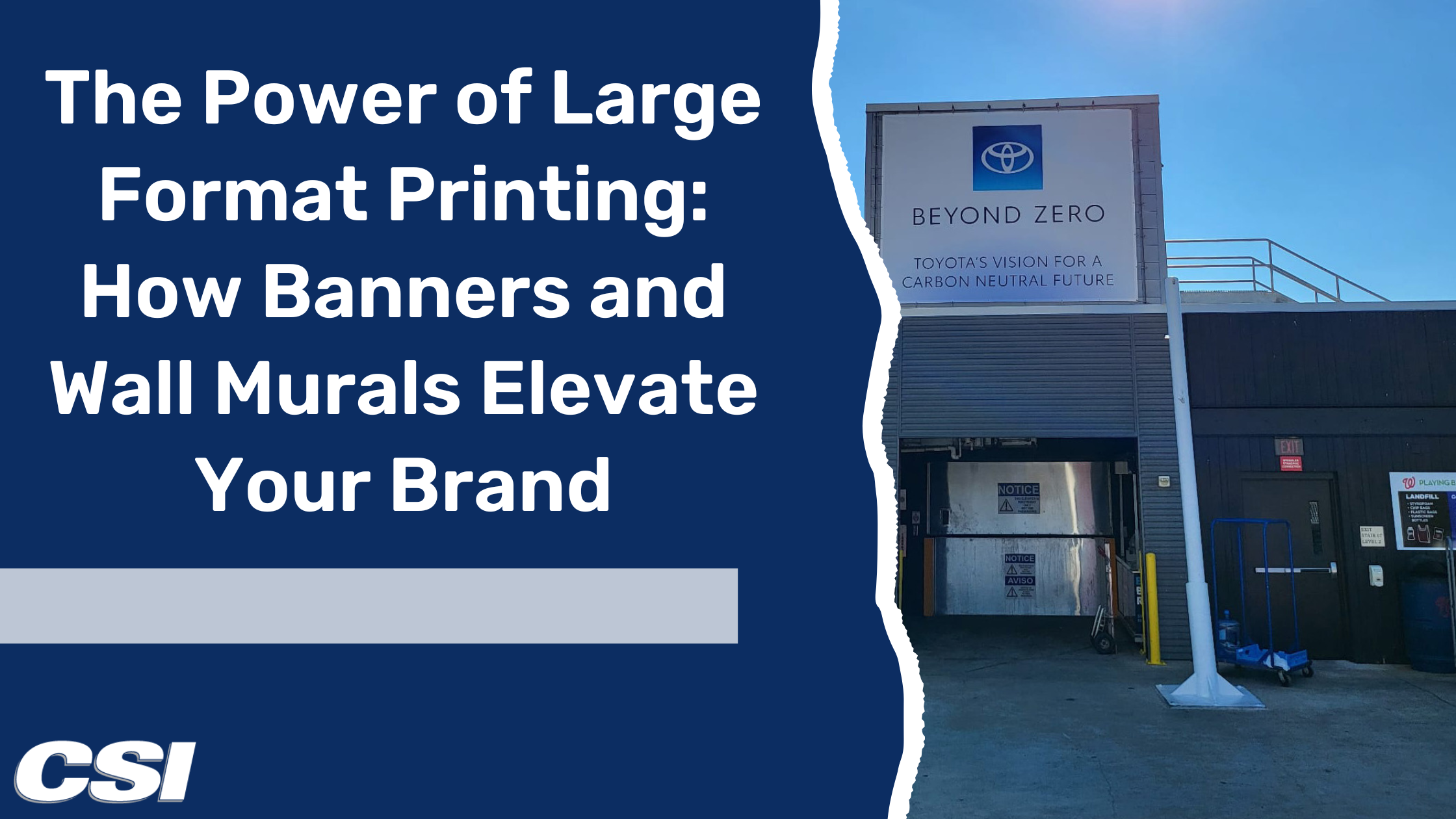
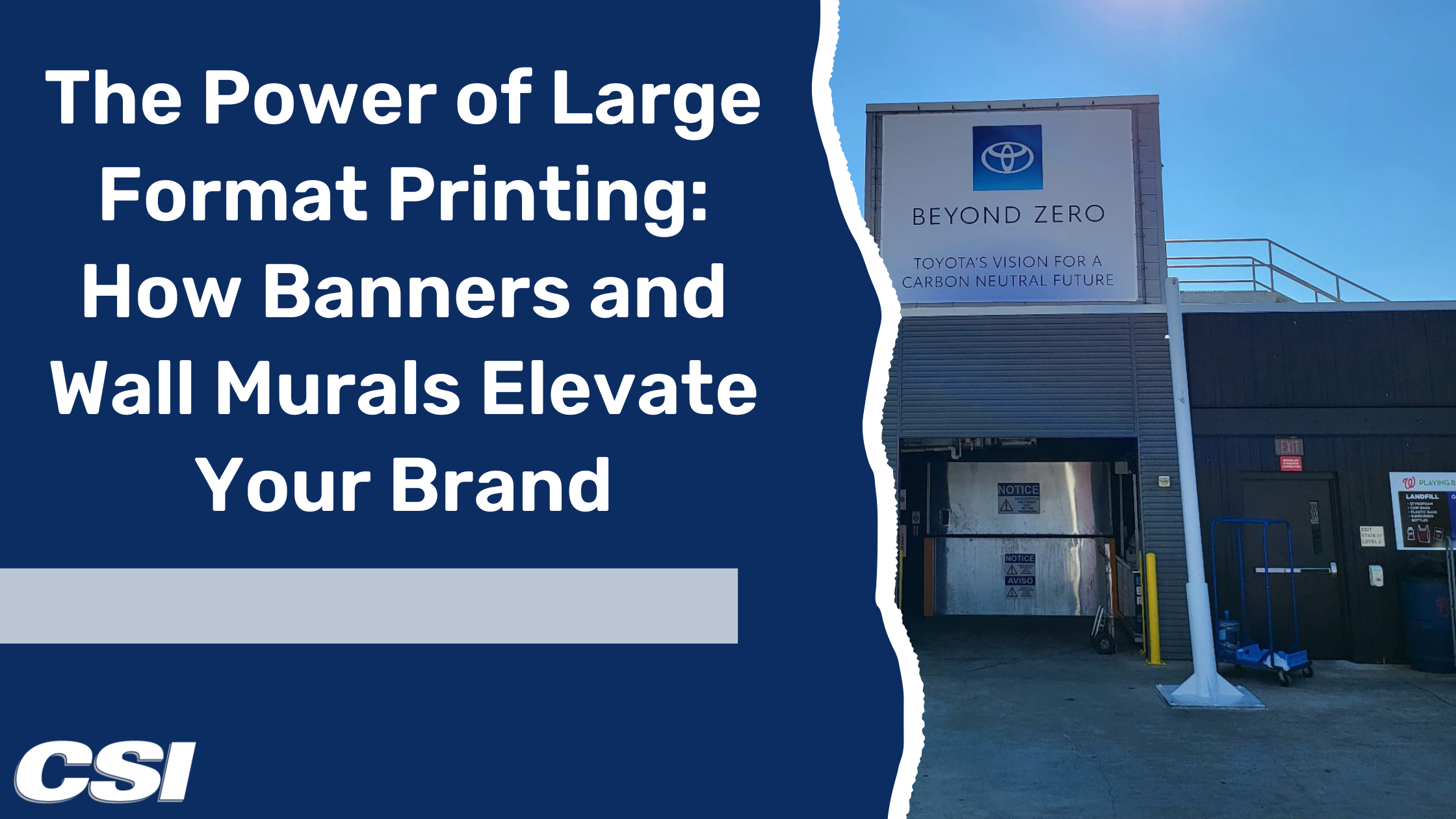
    The Power of Large Format Printing: How Banners and Wall Murals Elevate Your Brand

  • The Power of Large Format Printing: How Banners and Wall Murals Elevate Your Brand

    The Power of Large Format Printing: How Banners and Wall Murals Elevate Your Brand

    The Power of Large Format Printing: How Banners and Wall Murals Elevate Your Brand

    • Large format printing, including banners and wall murals, makes a bold first impression, reinforces brand identity with consistent visuals, and helps businesses stand out in crowded markets.

    • Eye-catching banners attract customers to physical locations, while immersive wall murals create memorable brand experiences that encourage social media sharing and customer interaction.

    • High-quality materials allow for durability for both indoor and outdoor use, and businesses can fully customize banners and murals to align with their unique branding needs.

    When it comes to marketing, businesses need to find creative ways to capture attention and make a lasting impact on their customers. Large format printing, especially in the form of banners and wall murals, is a great way to elevate brand presence. Whether you’re looking to stand out at a trade show, enhance your office space, or promote a new product, high-quality large format printing can help you create a visually compelling experience. 

    Let’s explore how banners and wall murals can transform your brand’s visibility and leave a lasting impression.

    Making a Bold First Impression with Large Format Printing

    First impressions matter, and large format printing guarantees that your brand makes a statement from the very first glance. A well-designed banner displayed outside your business or at an event immediately communicates your message in a way that’s impossible to ignore. Unlike digital ads that can be scrolled past in an instant, physical banners command attention in high-traffic areas, giving your brand maximum exposure.

    Wall murals take this a step further by turning ordinary spaces into immersive brand experiences. Whether you install a mural in your office lobby, retail store, or event venue, it serves as a conversation starter and reinforces your brand identity. People are naturally drawn to visually striking designs, making large format printing a powerful way to make a memorable impact.

    Enhancing Brand Recognition with Consistent Visuals

    Consistency is huge when it comes to building a strong brand. Large format printing allows you to create cohesive visuals that align with your brand’s colors, typography, and overall aesthetic. A series of banners with matching designs or branded wall murals featuring your logo and messaging can help to reinforce brand recognition among customers and clients.

    When people repeatedly see the same colors, fonts, and imagery associated with your brand, they develop a sense of familiarity and trust. A professionally printed wall mural in your office or showroom tells visitors that you are serious about your brand and creates a more polished and professional image for your business.

    Driving Foot Traffic with Eye-Catching Banners

    For brick-and-mortar businesses, attracting foot traffic is important. Banners are an excellent way to draw attention to your storefront, especially when placed in strategic locations. Whether you’re announcing a grand opening, promoting a sale, or simply increasing brand awareness, a high-quality banner acts as a 24/7 advertisement.

    The size and visibility of banners make them ideal for cutting through the noise of busy streets and crowded shopping centers. With the right design, vibrant colors, and clear messaging, a well-placed banner can entice potential customers to step inside and explore what your business has to offer.


    Transforming Interior Spaces with Wall Murals

    Wall murals are more than just decorations—they are powerful branding tools that can completely transform a space. A blank wall is a missed opportunity, but a customized wall mural can turn it into a visually engaging brand showcase. From corporate offices to retail stores, murals create an immersive environment that reflects your company’s values and personality.

    Imagine walking into an office where an entire wall features a high-quality print of your brand’s mission statement, inspirational imagery, or a dynamic cityscape that represents your business location. This kind of branding not only enhances the space but also leaves a lasting impression on employees, clients, and visitors.

    Building Emotional Connections Through Visual Storytelling

    People connect with brands that tell a story, and large format printing allows you to communicate your brand’s narrative in a visually compelling way. A banner can highlight your company’s history, showcase customer testimonials, or promote a special initiative. A wall mural can illustrate your brand’s journey, featuring milestones, achievements, or even a creative representation of your industry.

    By using high-quality images and meaningful design elements, you can evoke emotions that resonate with your audience. Customers who feel an emotional connection to your brand are more likely to engage with your business and become loyal advocates.

    Maximizing Event Impact with Large Format Printing

    Events, trade shows, and conferences provide excellent opportunities to showcase your brand, and large format printing makes your presence both seen and remembered. Banners can be used to create eye-catching booth displays, directional signage, or promotional backdrops that reinforce your brand’s identity.

    A well-designed banner with clear, engaging messaging instantly attracts visitors to your booth, increasing your chances of generating leads and making valuable connections. Wall murals can be used as step-and-repeat backdrops for photos, providing a social media-friendly branding opportunity that extends your reach beyond the event itself.


    Creating an Immersive Brand Experience

    A brand is more than just a logo—it’s an experience. Large format printing helps you create immersive spaces where customers, clients, and employees feel fully engaged with your brand. Instead of relying solely on digital marketing, you can establish a physical presence that makes your brand more tangible and memorable.

    For example, a fitness center can use motivational wall murals to inspire clients, while a restaurant can create a themed ambiance with artistic prints that enhance the dining experience. The ability to design unique, large-scale visuals allows businesses to shape their environments in ways that align with their brand identity and customer expectations.


    Improving Employee Morale with Branded Workspaces

    Your office environment plays a big part in employee productivity and morale. A dull, uninspired workspace can feel uninviting, but large format printing can transform office walls into engaging, motivational spaces. For example, you could have a mural that showcases your company’s core values or an inspiring cityscape that reflects your brand’s vision; these design elements help create a more positive and dynamic work atmosphere.

    When employees feel connected to their workplace, they’re more likely to feel motivated and engaged. A well-branded workspace can reinforce company culture, spark creativity, and create a sense of pride in the organization.


    Durability and Longevity with High-Quality Printing

    One of the biggest advantages of large format printing is its durability. Unlike digital advertisements that disappear once the campaign ends, banners and wall murals are long-lasting investments. When printed on high-quality materials, they can withstand the elements, making them ideal for either indoor and outdoor use.

    Banners made from weather-resistant vinyl can endure harsh conditions while maintaining their vibrant colors. Similarly, wall murals printed with fade-resistant inks ensure that your branding remains sharp and professional for years to come. Investing in quality printing guarantees that your marketing efforts continue to pay off long after the initial installation.

    Customizing Large Format Prints to Fit Your Brand’s Needs

    Every business is unique, and large format printing allows for full customization to match your brand’s specific needs. Whether you want a sleek, minimalist banner for a corporate setting or a bold, colorful wall mural for a retail store, the possibilities are endless.

    Custom banners can be printed in various sizes and shapes to fit different spaces and purposes. Wall murals can be tailored to include specific branding elements, motivational quotes, or interactive designs that engage customers and employees alike. With the right printing partner, you can create one-of-a-kind visuals that set your brand apart.

    Increasing Social Media Engagement with Share-Worthy Designs

    With Instagram and TikTok gaining more and more traction in the marketing space, visually appealing spaces can be a great help to naturally encourage people to take photos and share them online. A striking wall mural in your office, store, or event venue can become a social media hotspot, organically spreading brand awareness as visitors post pictures with your branding in the background.

    Banners with engaging hashtags, QR codes, or creative designs also encourage interaction, driving more online engagement. When customers share photos featuring your brand’s large format prints, you gain free advertising and a wider audience reach.

    Boosting Sales with High-Impact Visuals

    Getting customers to notice your products or services is half the battle businesses face daily. Large format printing can drive sales by presenting your offerings in a way that grabs attention and compels potential customers to take action. You can use banners to highlight limited-time promotions, new product launches, or seasonal sales; the right visuals create urgency and encourage immediate purchases.

    Wall murals can also contribute to sales growth by enhancing the shopping experience. A well-designed retail mural can showcase product benefits, tell a brand story, or create an atmosphere that makes customers want to stay longer and engage more. When customers feel immersed in your brand’s environment, they are more likely to make a purchase, return for future visits, and even recommend your business to others.

    Standing Out from the Competition with Unique Branding

    In a crowded market, differentiation is key. Large format printing allows businesses to establish a unique identity that sets them apart from competitors. While digital marketing is important, having a strong physical presence reinforces brand authority and credibility in ways that online advertising alone cannot achieve.

    Custom banners and wall murals give businesses the freedom to express their brand personality in a visually striking manner. Whether you want to project a modern, cutting-edge image or a warm, inviting atmosphere, large format prints can be tailored to reflect your brand’s unique voice. A well-placed, high-quality print will always leave an impression, meaning your business will remain top-of-mind for potential customers.


    If you’re ready to take your brand to the next level with stunning large format printing, our team at CSI Printing & Graphics can help. Contact us today, and let’s create something extraordinary together!


    Previous
    Previous

    Why Large-Format Signage Boosts Visibility in DC-Metro Retail Spaces

    Next
    Next

    LET CSI PRODUCE AND INSTALL YOUR EVENT SIGNAGE AND GRAPHICS

  • LET CSI PRODUCE AND INSTALL YOUR EVENT SIGNAGE AND GRAPHICS

    LET CSI PRODUCE AND INSTALL YOUR EVENT SIGNAGE AND GRAPHICS

    LET CSI PRODUCE AND INSTALL YOUR EVENT SIGNAGE AND GRAPHICS

    EVENT SIGNAGE IS CRITICAL TO SUCCESS

    Event planners are continually exploring new and unusual options to create a unique space to promote a brand, conference or other event. What used to be exciting just a few years ago (banner-stands, floor graphics) is now much more commonplace and so the search for innovative and eye-catching marketing continues. If you are looking for assistance with graphics production or installation for your next event, you have come to the right place!

    INNOVATIVE OPTIONS FOR EVENT GRAPHICS

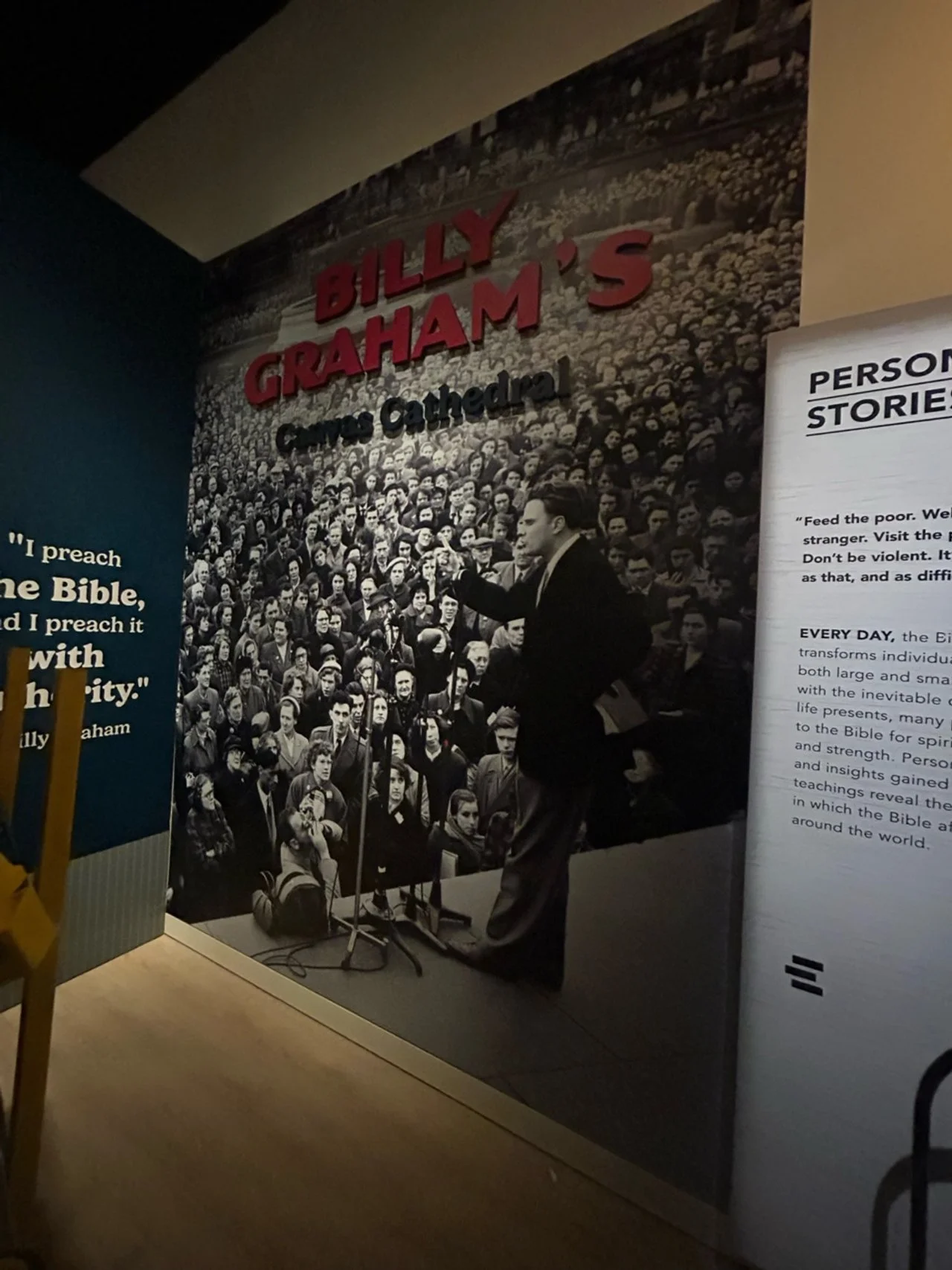
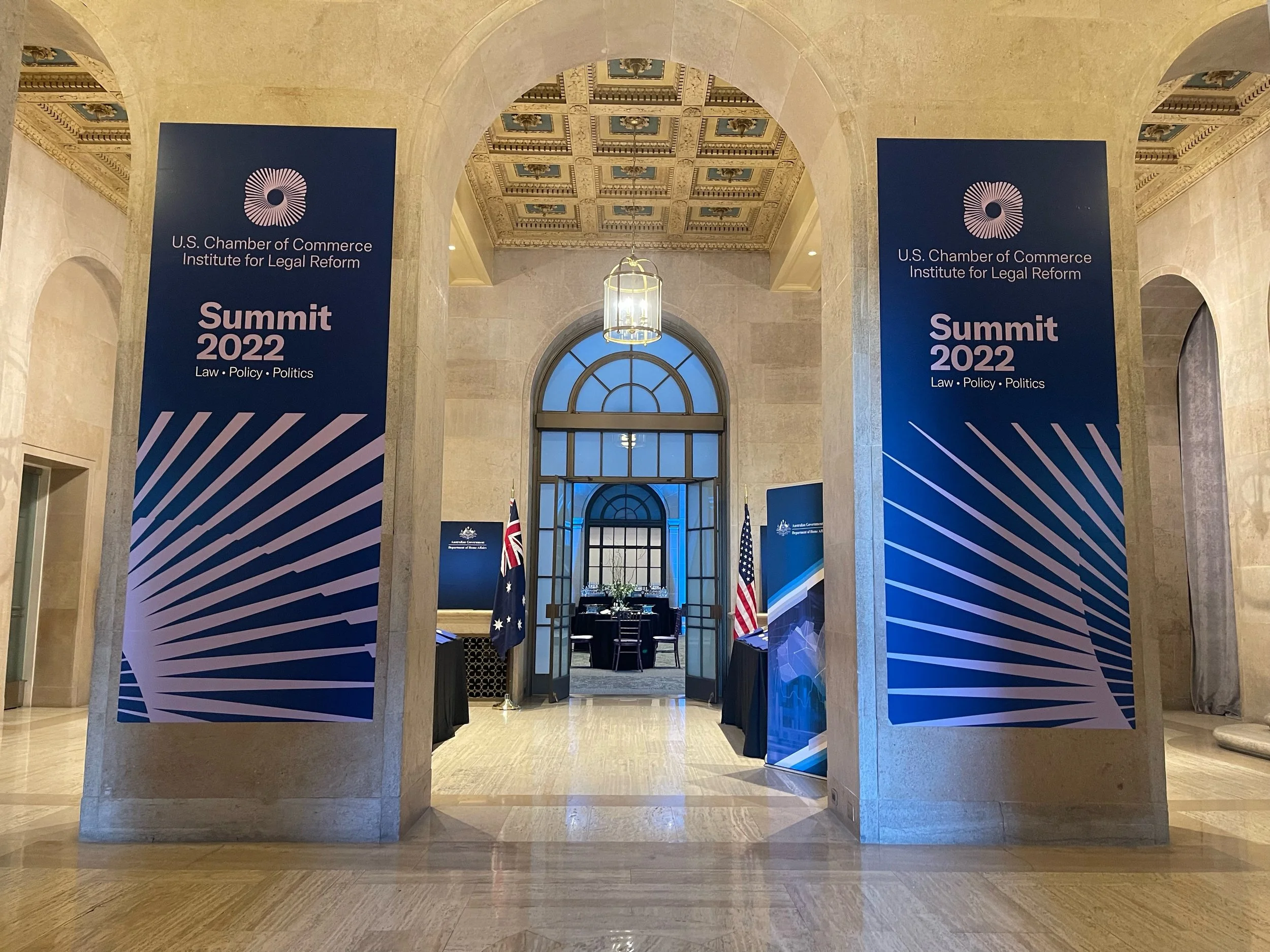
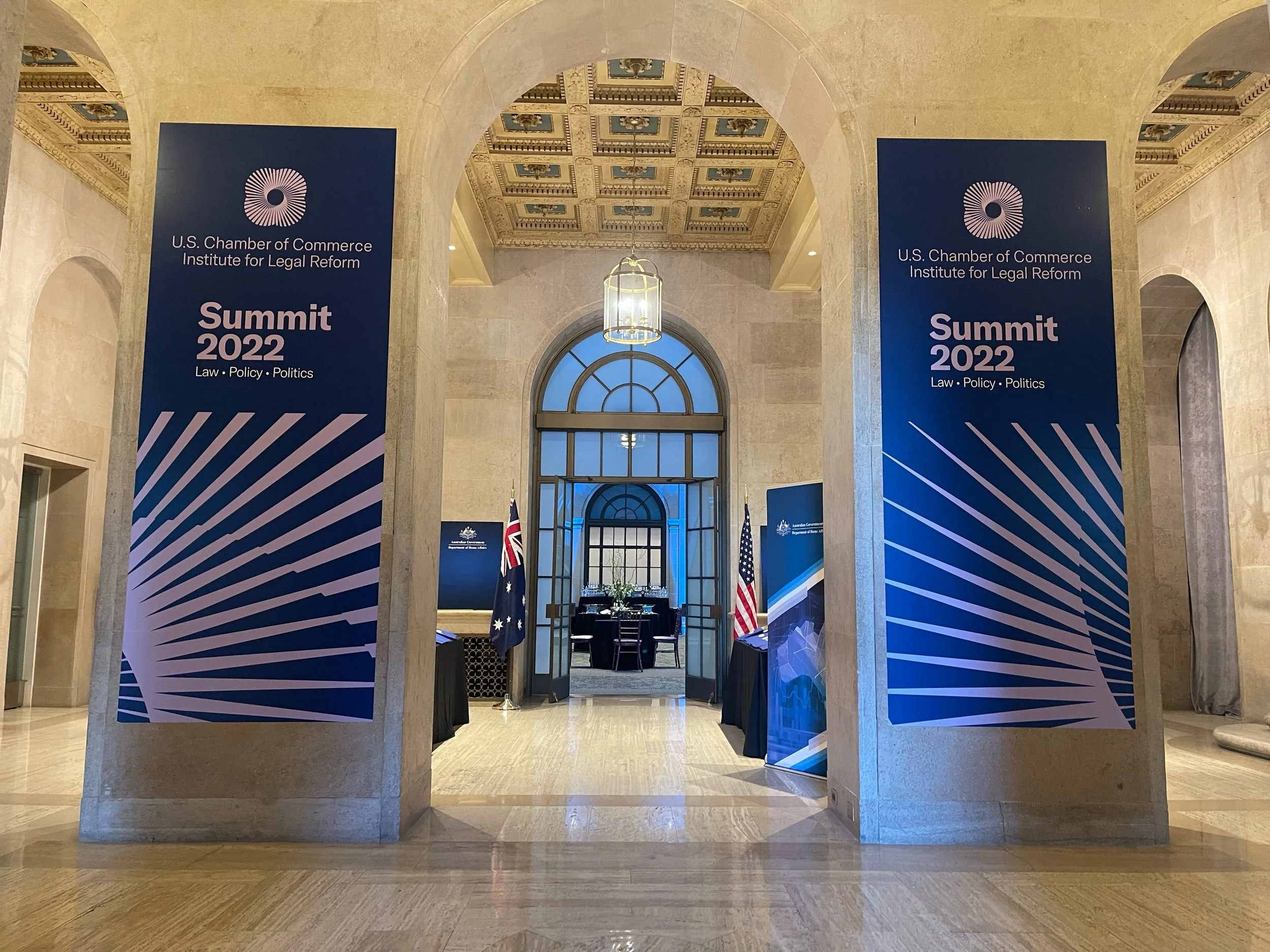
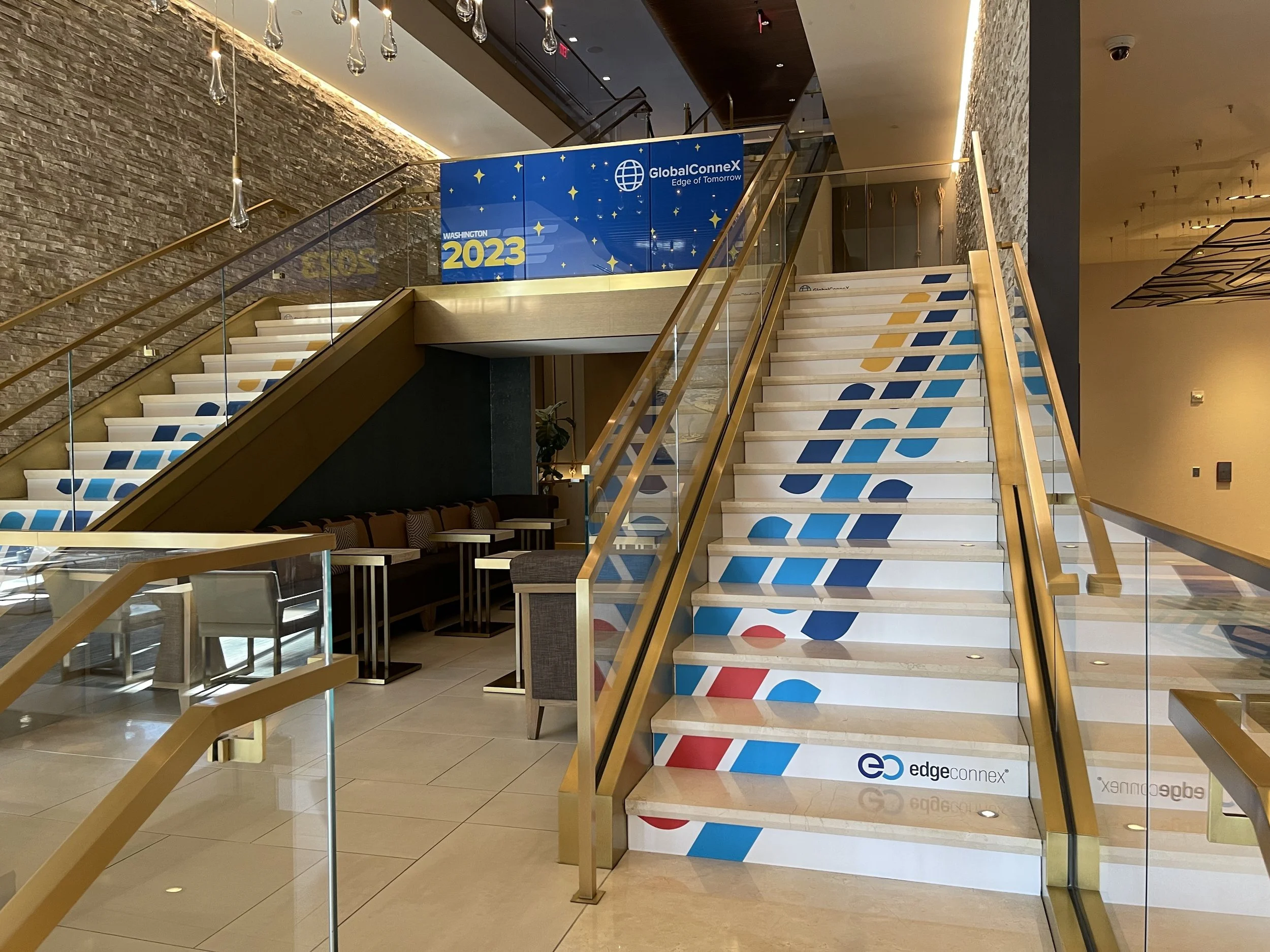
    CSI offers a dizzying array of options for event signage. A combination of several different print methods and products works best in an event scenario. CSI can produce fabric for backdrops, column wraps, and hanging banners or pop-up displays. We can also assist with non-permanent adhesive vinyl options such as window graphics (transparent, translucent, one-way perforated, or opaque), wall-murals, stair graphics, elevator and escalator wraps, textured wall graphics and floor graphics. And we can also provide rigid event signage for way-finding, backdrops, sessions, just about anything you can imagine. We are here to help you through this process from design to tear-down.

    CHALLENGES AND LIMITATIONS

    Usually the biggest challenge when creating eye-catching event graphics deals with the event space itself. Pre-site inspection and accurate measurements of any and all available spaces should be performed, especially when time is of the essence. CSI can assist with recommendations of types of materials to use, and also offer different options at several price-points. The more you plan ahead, the better the end results will be.

    PHOTO GALLERY

    Here are some recent examples of several types of event graphics we have produced and installed. Interested in finding out more about how CSI can help you with your next event? Do you need event graphics or event signage for an event in Virginia, Washington DC, Maryland or even beyond? No problem! Head over to our contact page and we’ll take it from there.

    Previous
    Previous

    Elevate Events with Large Format Banners & Wall Murals

    Next
    Next

    CSI INSTALLS SwissQ NYALA-4 FLATBED PRESS

  • CSI INSTALLS SwissQ NYALA-4 FLATBED PRESS

    CSI INSTALLS SwissQ NYALA-4 FLATBED PRESS

    CSI INSTALLS SwissQ NYALA-4 FLATBED PRESS

    CSI INSTALLS SwissQ Nyala 4 UV LED FLATBED PRINTER

    CSI has just completed installation and set-up of a new SwissQPrint Nyala 4 UV LED flatbed press at their shop in Alexandria, VA. The Nyala 4 is one of the highest quality flatbed printers available on the market today. More technical information about the Nyala 4 can be found here. More information about the SwissQPrint large format platform in general can be found here.

    NEW NYALA 4 COMPLEMENTS PREVIOUS UV AND LED PRINTERS

    This new Nyala 4 is installed alongside a Durst P5/350 hybrid press, which CSI added in 2021. The Nyala 4 is the symbiosis of premium print quality, multifunctionality and efficiency. No comparable printer offers better price/performance and more opportunities to stand out from the competition in terms of both quality and quantity. The Nyala 4 is capable of speeds exceeding 2200 sq ft/hr, and has a max bed area of 126” x 79.9”.

    Interested in seeing a sample print or getting more information about our printing process? How about a shop tour? We’d love to show you the Nyala (and everything else we do here) when you’re ready. Just contact your sales rep and we’ll take it from there!

    SwissQPrint Nyala 4 flatbed printer

    The SwissQPrint Nyala 4 UV LED Flatbed Press

    Previous
    Previous

    LET CSI PRODUCE AND INSTALL YOUR EVENT SIGNAGE AND GRAPHICS

    Next
    Next

    CSI ADDS DURST P5Tex-iSUB FABRIC PRESS

  • CSI ADDS DURST P5Tex-iSUB FABRIC PRESS

    CSI ADDS DURST P5Tex-iSUB FABRIC PRESS

    CSI ADDS DURST P5Tex-iSUB FABRIC PRESS

    CSI ADDS DURST P5Tex-iSUB FABRIC DYE-SUBLIMATION PRESS

    CSI has installed a new 3-meter Durst P5Tex-iSUB dye-sublimation fabric press at their location in Alexandria, VA. The P5Tex iSUB is Durst’s flagship fabric press. More technical information about the Durst P5Tex iSUB press can be found here.

    NEW DURST P5Tex-iSUB COMPLEMENTS CSI’S PREVIOUS FABRIC PRESS, THE RHOTEX 322.

    The Durst P5Tex-iSUB is CSI’s sixth Durst press, continuing a relationship that began over 15 years ago. The 3-meter Durst P5Tex-iSUB dye-sublimation printer features inline sublimation (iSUB) for an efficient 1-step printing process, or prints can be produced on transfer paper for offline sublimation.

    Printing at speeds up to 4,120 square feet per hour, the press is capable of producing excellent color consistency along with sharp details in images and text. This means that a wide range of applications such as light box and decorative fabrics, including difficult medias like black-back and flags, can be handled easily.

    Interested in seeing a sample print or getting more information about our printing process? How about a shop tour of our facility? We’d love to show you the Durst P5Tex-iSUB (and everything else we do here) when you’re ready. Just contact your sales rep and we’ll take it from there!

    Durst P5Tex-iSUB installed at CSI's print production facility in Alexandria, VA

    Durst P5Tex-iSUB Dye-Sublimation Roll-to-Roll Press

    Previous
    Previous

    CSI INSTALLS SwissQ NYALA-4 FLATBED PRESS

    Next
    Next

    CATCH UP WITH CSI – JANUARY 2022 NEWSLETTER

  • CATCH UP WITH CSI – JANUARY 2022 NEWSLETTER

    CATCH UP WITH CSI – JANUARY 2022 NEWSLETTER

    CATCH UP WITH CSI – JANUARY 2022 NEWSLETTER

    CSI January 2022 Newsletter

    Interested in what’s happening at CSI? Here is a link to our January 2021 newsletter. Thanks for reading!

    Tradeshow booth fabric graphics for Durst US

    Tradeshow booth fabric graphics for Durst US

    Previous
    Previous

    CSI ADDS DURST P5Tex-iSUB FABRIC PRESS

    Next
    Next

    CATCH UP WITH CSI – JUNE 2021 NEWSLETTER